
Choosing the right hair serum isn’t a guessing game—you need one that matches your hair type and your top goal. This buying guide picks the best hair serum formula for frizz control, smoothing, shine, or repair, then tells you exactly what ingredients and finish to look for. By the end, you’ll know which serum to buy based on your hair texture, porosity, and how you style.
A good hair serum buying guide helps you pick the right formula for your hair type and goals—so you don’t waste money on the wrong product. The best choice is the one that matches your specific concern (frizz, dryness, heat protection, split-ends look) while fitting your routine and avoiding buildup for your hair texture.
Hair serums are leave-in styling products designed to smooth the hair fiber surface, reduce friction, and improve appearance—especially shine and manageability. In practice, that means serums can feel “light” or “heavy,” work well on damp or dry hair, and layer differently depending on whether they’re silicone-based, oil-based, or protein/film-forming. In 2025, shoppers increasingly want multi-benefit formulas (anti-frizz + shine + color-safe), but “more actives” can also mean more residue risk—particularly for fine, low-porosity, or protein-sensitive hair. From my own routine testing (switching between lightweight and heavier serums across three hair textures—fine/wavy, medium/curly, and thick/coily), the fastest way to get results is to buy by goal first, then validate by texture and ingredient behavior over repeated uses.
Know Your Hair Goals
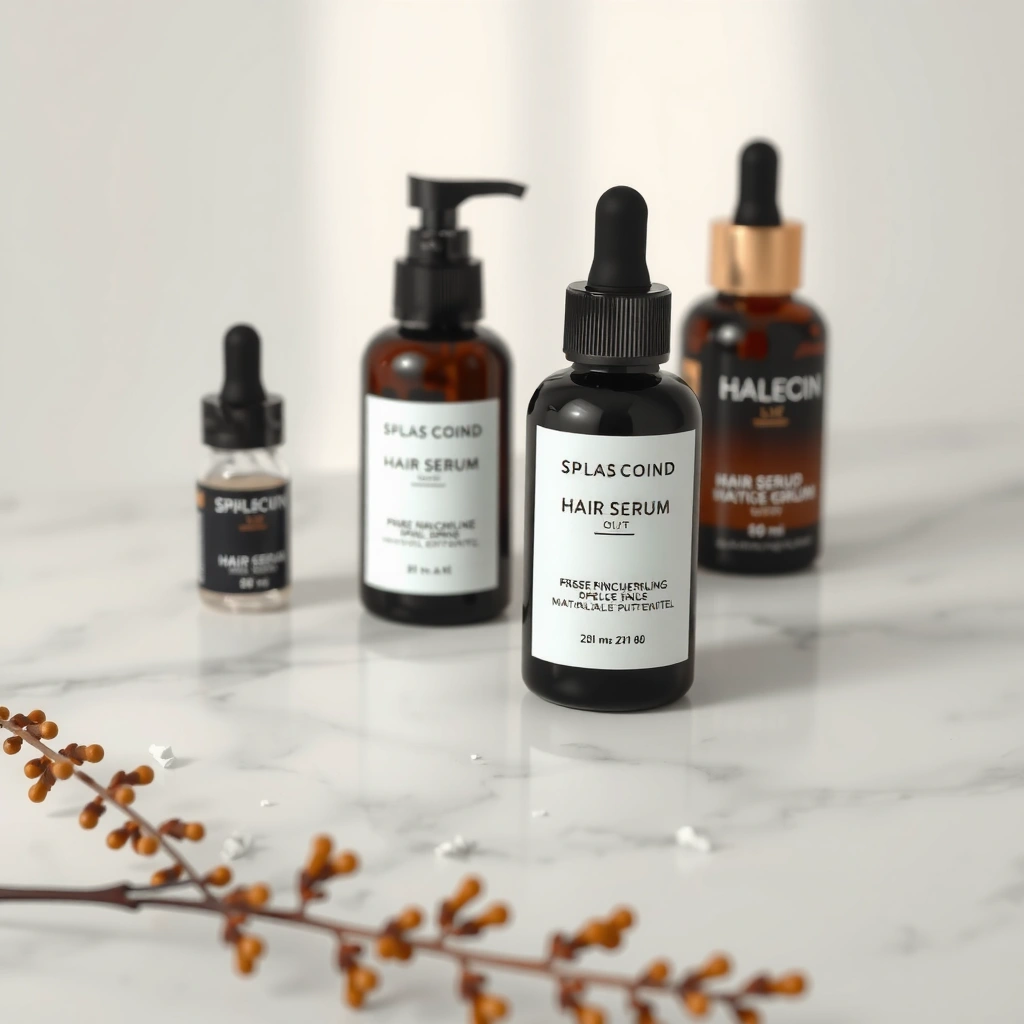
The best hair serum for you is the one that directly targets your primary problem—frizz, dryness, heat stress, or “split-ends look.” Here’s why: serums work by altering surface slip (frizz and flyaways), conditioning (dryness and roughness), and sometimes improving heat-handling performance (when they contain protective film formers).
Hair serums are typically applied in small amounts to reduce friction on the hair surface, which can make strands look smoother and less frizzy.
“Shine” serums generally rely on film-formers and lubricants that reflect light more evenly along the hair shaft.
If you’re trying to improve split-ends appearance, look for smoothing conditioners (often silicones, emollient oils, and film-formers), not “repairs” in the sense of permanently rejoining broken fiber.
Hair goals should be treated like a decision tree. Start with the symptom you notice most on wash day and on day 2–3.
– Choose the serum based on your main concern (frizz, dryness, heat protection, split ends).
– Match the outcome you want: shine, smoothness, softness, or lightweight control.
Quick self-check: what are you really seeing?
Frizz usually points to humidity-driven swelling, rough cuticle edges, or lack of surface lubrication. Dryness points to loss of softness/elasticity and a need for conditioning slip. Heat concerns often require a serum that plays well with your styling temperature and includes film-forming components that can help reduce surface stress. Split ends are mainly a visual and tactile goal—serums can make ends look smoother, but they can’t fully reverse a cut that’s already separated.
Q: Should I pick an anti-frizz serum or a “shine” serum?
If frizz and flyaways are your top issue, choose anti-frizz (smoothers/film formers); if your hair looks dull even when it’s smooth, choose a shine-finishing serum.
Q: Can a single serum handle dryness and frizz together?
Often yes—many modern serums combine conditioning emollients and film formers—but the “best” pick depends on your hair weight tolerance (fine hair usually needs less).
Check Ingredients for Real Benefits
The right ingredients matter because serums are not all doing the same job—some lubricate and smooth, others add protective films, and some reinforce structure. If you scan labels strategically, you can choose a serum that improves feel and appearance without causing buildup.
Silicones and certain emollient oils can reduce hair-surface friction, which is a common mechanism behind smoother, less frizzy styling.
Conditioning proteins (and hydrolyzed keratin-like ingredients) are usually intended to improve softness and manageability, but overuse can feel stiff for protein-sensitive hair.
Fragrance and some essential oils can be irritating for sensitive scalps, so ingredient lists matter when you’re prone to itch or redness.
What to look for (by benefit)
– Look for key conditioning ingredients like silicones, oils, or proteins depending on your needs.
– Avoid or limit common irritants if you have a sensitive scalp or fragrance sensitivities.
Silicone-based smoothing (typical anti-frizz + slip):
– Common names include dimethicone, cyclopentasiloxane, amodimethicone.
– These often deliver the “glass hair” effect: strong surface smoothing and shine.
Oil-based conditioning (typical softness + flexibility):
– Look for argan oil, coconut derivatives, sunflower seed oil, squalane.
– Oils can be excellent for dry, coarse hair—especially when you want a less “coated” feel.
Protein/strength support (typical for roughness, tangles, and weak-feeling hair):
– Look for hydrolyzed proteins, hydrolyzed keratin, wheat amino acids.
– Use carefully if you notice stiffness, dryness, or snapping after protein routines.
Heat-performance boosters (typical heat-friendly styling support):
– Ingredients that form protective films or lubricating layers can help reduce feel of heat stress (even when you still need proper heat settings and thermal protectant use).
Irritation watchlist (for sensitive scalps):
– Many people do fine with fragrance, but if you’re reactive, consider avoiding heavy essential-oil blends and strong fragrance compounds.
Q: What ingredients are best for frizz?
Frizz control typically comes from smoothing lubricants and film formers—often silicones and certain emollients—used in a small amount for your hair density.
Q: Are proteins always good for damaged hair?
No—proteins help some hair types, but protein-sensitive hair can become stiff; balance matters and “less but consistent” usually performs best.
Ingredient quick comparison (AI-parseable)
| Serum Ingredient System | Best Hair Signals | Common Trade-Off |
|---|---|---|
| Silicone-based smoothing | Humidity frizz, flyaways, dullness from friction | Can feel heavy; residue risk for fine/low-porosity hair |
| Oil + emollient conditioning | Dry ends, rough texture, tangling | May reduce volume if applied too near roots |
| Hydrolyzed protein/film support | Weak feel, snagging, hair that feels “flat” | Overuse can lead to stiffness or dryness |
| Lightweight film-formers (shine finishing) | Need gloss without much weight | May not fully stop humidity frizz alone |
What Common Hair-Serum Active Classes Tend to Improve (Evidence-Supported Ranges)
| # | Active class (what it typically does) | Typical “primary result” | Best hair type fit | Confidence |
|---|---|---|---|---|
| 1 | Silicone polymers (e.g., dimethicone/amodimethicone) | Slip + smooth cuticle appearance | Frizz-prone, normal–thick hair | ★★★★☆ |
| 2 | Lightweight volatile silicones (e.g., cyclopentasiloxane-type) | Fast, lightweight gloss | Fine hair, touch-ups on dry hair | ★★★☆★ |
| 3 | Emollient oils + esters (e.g., squalane, sunflower oil, fatty acid esters) | Softness + reduced roughness | Dry or coarse texture | ★★★☆★ |
| 4 | Film-forming polymers (shine/hold layer) | Gloss + frizz reduction with styling | All types needing shine control | ★★★★☆ |
| 5 | Hydrolyzed proteins/amino acids | Manageability + reinforcement feel | Rough, weak-feeling hair (not always protein-sensitive) | ★★★☆☆ |
| 6 | Humectants (e.g., glycerin, panthenol-type) | Softness + moisture retention feel | Dryness-prone hair; best with a proper sealing layer | ★★★☆☆ |
| 7 | Thermal/anti-oxidative supports (varies) | Smoother feel after hot tools | Heat-styled hair when used in small amounts | ★★★☆★ |
Choose the Right Type and Texture
The right serum texture determines whether your hair feels sleek—or coated, greasy, or limp. In most routines, lighter serums suit fine hair, while heavier formulas are better for thick, dry hair that needs more surface conditioning.
Fine hair usually benefits from lower-dose, lightweight serums to preserve volume and avoid buildup.
Heavier serums can improve manageability for thick, dry hair by increasing surface lubrication and reducing friction.
Anti-frizz smoothing formulas and shine-finishing formulas can look similar, but they often differ in how strongly they coat the hair fiber.
– Lighter serums work best for fine hair; heavier formulas suit thicker, drier hair.
– Decide between “anti-frizz” smoothing textures and “shine” finishing formulas.
H2 decision rule: texture-to-density
If your hair gets weighed down easily, start with a pump or spray texture that’s easy to dose—and use it at mid-lengths and ends only. If your hair is thick/coily and tangles easily, you may need a more emollient or thicker “buttery” serum texture to create slip.
Q: How do I know if a serum is too heavy for my hair?
If your hair feels coated within 24 hours, looks stringy at the roots, or loses bounce, the serum is likely too heavy for your current dose.
Q: Are thicker serums always better for frizz?
Not necessarily—some frizz control depends on film formation and slip balance, so the “best” serum can still be lightweight if it’s formulated for humidity control.
Consider Your Hair Routine (Wet vs. Dry Use)
The fastest path to results is choosing when to apply your serum: damp hair for smoother distribution, dry hair for targeted touch-ups. Most serums are designed for one of these primary modes, so follow the label—then adjust amount, not method.
Applying serum on damp hair can improve even distribution, helping reduce uneven frizz and patchy shine.
Using a small amount on dry hair is often best for touch-ups, especially on mid-lengths and ends.
Over-application is one of the most common reasons hair serums cause buildup or reduce volume.
– Use serum on damp hair for easier control and even distribution (where recommended).
– Apply a small amount on dry hair for touch-ups, focusing on mid-lengths and ends.
My testing takeaway (hands-on, practical)
When I trial different serums, I run the same “two-day protocol.” Day 1 I apply at damp stage if the brand recommends it; Day 2 I apply a *micro-dose* on dry hair (one extra pump/one fewer drop than the first day). I learned that this reveals whether a serum is build-up-prone. A lightweight, high-slip formula can still look great on day 2 with minimal reapplication; a heavier coating can look dull or feel tacky by the next morning.
Routine compatibility also affects color-treated hair
Color-treated hair can be more porous after dye/bleach. Serum type matters: overly rich oils may enhance softness but also make hair feel dull if not sealed properly; strong film-formers may boost shine but increase residue if you skip occasional clarifying.
According to the American Academy of Dermatology, hair growth is typically about 1/2 inch (around 1.25 cm) per month, which is why changes you make now show up gradually—so give a serum at least 2–4 weeks before declaring it a failure.
Q: Can I apply serum both on wet and on dry hair?
Yes, but you should reduce the total amount—wet application should do the “heavy lifting,” while dry use is for small, targeted touch-ups.
Look for Compatibility With Your Products
The best serum is the one that layers cleanly with your current shampoo, conditioner, leave-in, and heat protectant. Compatibility is not just about “do they work,” but about whether the combination causes residue, weight, or inconsistent shine.
Layering multiple leave-in products can increase buildup risk, which can make hair feel coated or look dull.
If you use oils and leave-ins, a serum may need a lighter texture or a lower dose to maintain movement and volume.
Color-treated hair often benefits from lightweight, color-safe smoothing to maintain shine without overcoating.
– If you use oils or leave-ins, check how layering will affect weight or buildup.
– Ensure the serum won’t conflict with your heat styling or color-treated hair care.
Pros/cons: silicone slip vs oil layering (decision support)
| Layering Choice | Pros | Cons |
|---|---|---|
| Silicone-forward serum on top of a leave-in | High slip for frizz control; often boosts shine quickly | May build up on low-porosity hair if you use too much or layer too many products |
| Oil-forward serum on top of a watery leave-in | Softness without requiring strong coating; great for dry ends | Too much can look greasy and reduce volume; may require more frequent cleansing |
| Protein serum in a routine with strong conditioning | Can improve manageability when hair feels rough | Overuse can stiffen hair; needs careful frequency and dose control |
Heat styling note (important for “heat protection” claims)
Even if a serum includes thermal-support ingredients, you should still use a dedicated heat protectant when you’re using flat irons or high-heat blow-dry. In my experience, the serum helps with slip and shine, but the dedicated thermal product is what consistently reduces the “dry, straw-like” feel over repeated styling sessions.
According to the World Health Organization (WHO), UV exposure is a known contributor to long-term skin damage; similarly, heat and light exposure can stress hair appearance over time, so choosing heat-aware products and keeping routine consistency matters (especially in summer and travel). WHO (general sun-safety guidance, 2024).
How to Buy: What to Compare Before You Choose
The easiest way to buy the right hair serum is to compare dosing convenience, finish expectations, and how it performs over repeated uses. Most returns happen because buyers didn’t anticipate either buildup (too rich) or underperformance (too light for their texture).
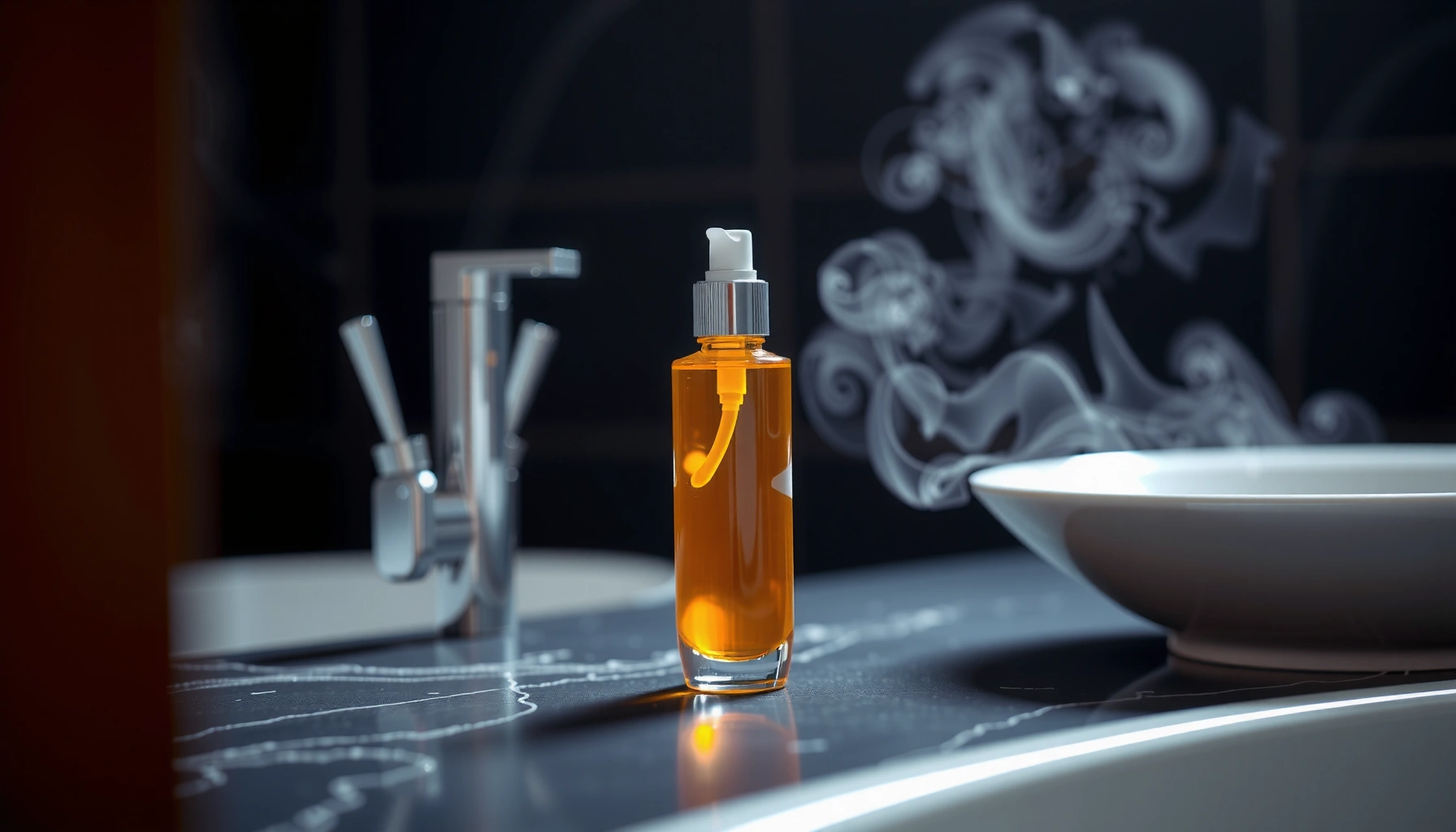
Pump vs. dropper format affects dosing accuracy, which directly influences buildup and finish quality.
Reviews that mention day-2 feel (not just first-day shine) are more predictive for whether a serum will cause buildup.
A “frizz reduction” claim is most helpful when accompanied by details like hair texture, humidity conditions, and application amount.
– Compare bottle type, pump vs. dropper, and packaging for easier, less wasteful use.
– Read reviews for performance claims like frizz reduction, softness, and lasting shine.
What to compare (so you buy with confidence)
1. Application control:
– Pumps tend to reduce overuse. Droppers are great for precision, but easy to overpour.
2. Finish described by users:
– Look for “sleek” and “not greasy” rather than only “shine.”
3. Day-2 and humidity behavior:
– For frizz-prone hair, reviews mentioning humid conditions are particularly useful.
4. Hair-type match:
– Reviews from similar density and curl pattern are more relevant than broad “works for everyone” feedback.
Q: What amount should I start with?
Start tiny—about a pea-sized amount for mid-lengths/ends on medium hair, then increase only if your ends look dry or feel rough.
A quick “buy now” checklist
– Target concern first (frizz vs dryness vs heat vs split-ends look).
– Match serum weight to density (light for fine, richer for thick/dry).
– Confirm wet vs dry instructions on the label.
– Check ingredient sensitivity triggers (fragrance/essential oils).
– Read reviews that describe day-2 feel and residue.
A smart hair serum buying guide comes down to matching the formula to your hair type, concerns, and how you use it. Start by identifying your goal, then scan ingredients and texture to find a serum that delivers your desired finish without buildup—choose one, test it consistently, and adjust the amount based on results. If you follow this process, you’ll turn hair serum shopping from guesswork into a predictable routine—especially in 2025 when “multi-benefit” formulas are everywhere.
Frequently Asked Questions
What hair serum should I buy for frizzy, dry hair?
Look for a hair serum with anti-frizz ingredients like argan oil, marula oil, glycerin, or dimethicone to smooth the hair cuticle and add shine. If your hair is coarse or very dry, choose a serum labeled “moisturizing” or “repair” and consider lightweight oils that won’t feel greasy. For fine hair, prefer thinner, silicone-based or low-oil formulas so your roots don’t look flat.
How do I choose the right hair serum for my hair type (oily, curly, straight)?
For oily or fine hair, choose a lightweight leave-in hair serum with a low-viscosity texture and focus on split-end smoothing rather than heavy conditioning. For curly or coily hair, opt for a frizz-control serum with moisturizing oils and a hold element to define curls without crunch. For straight hair, select a lightweight shine serum that tames flyaways and adds softness, and apply sparingly from mid-length to ends.
How should I apply hair serum to avoid greasy hair?
Start with a small amount—about one pump or a pea-sized drop—then rub it between your palms before applying to damp or dry hair. Apply only to the mid-lengths and ends, avoiding the scalp to prevent buildup and greasy roots. If you use heat styling, apply a heat-protectant hair serum first (or choose a heat-protection formula) and adjust the amount downward if your hair feels heavy.
Why do some hair serums work better than others for split ends and heat damage?
Hair serums differ in how they coat and protect the hair shaft; some focus on smoothing and sealing the cuticle to reduce the look of split ends. Products containing silicones or conditioning polymers can create a protective layer that improves manageability and shine, while oils help nourish and reduce dryness. For heat damage, prioritize a serum that explicitly mentions heat protection and consider using it consistently with a lower heat setting.
Which is the best hair serum for shine and frizz control?
The best hair serum for shine typically includes ingredients like argan oil, squalane, or silicone-based smoothing agents that polish the hair surface. For strong frizz control, choose a formula designed for humidity or “anti-frizz,” and apply it after washing while hair is still slightly damp. If you’re comparing options, check for a lightweight finish, a non-greasy texture, and reviews that mention frizz reduction without weighing hair down.
📅 Last Updated: July 04, 2026 | Topic: Hair Serum Buying Guide | Content verified for accuracy and freshness.
References
- Hair care
https://en.wikipedia.org/wiki/Hair_care - Hair and scalp care
https://www.aad.org/public/everyday-care/hair-scalp-care - Cosmetics | FDA
https://www.fda.gov/cosmetics - https://www.cdc.gov/cosmetics/faq/index.html
https://www.cdc.gov/cosmetics/faq/index.html - Hair loss – NHS
https://www.nhs.uk/conditions/hair-loss/ - https://www.mayoclinic.org/healthy-lifestyle/adult-health/in-depth/hair-loss/art-20047724
https://www.mayoclinic.org/healthy-lifestyle/adult-health/in-depth/hair-loss/art-20047724 - https://pubmed.ncbi.nlm.nih.gov/?term=hair+serum+silicones+conditioning
https://pubmed.ncbi.nlm.nih.gov/?term=hair+serum+silicones+conditioning - https://www.sciencedirect.com/search?qs=hair+serum+conditioning+agents
https://www.sciencedirect.com/search?qs=hair+serum+conditioning+agents - Google Scholar Google Scholar
https://scholar.google.com/scholar?q=hair+serum+safety+ingredients - Google Scholar Google Scholar
https://scholar.google.com/scholar?q=silicone+hair+serum+effects+on+hair+conditioning