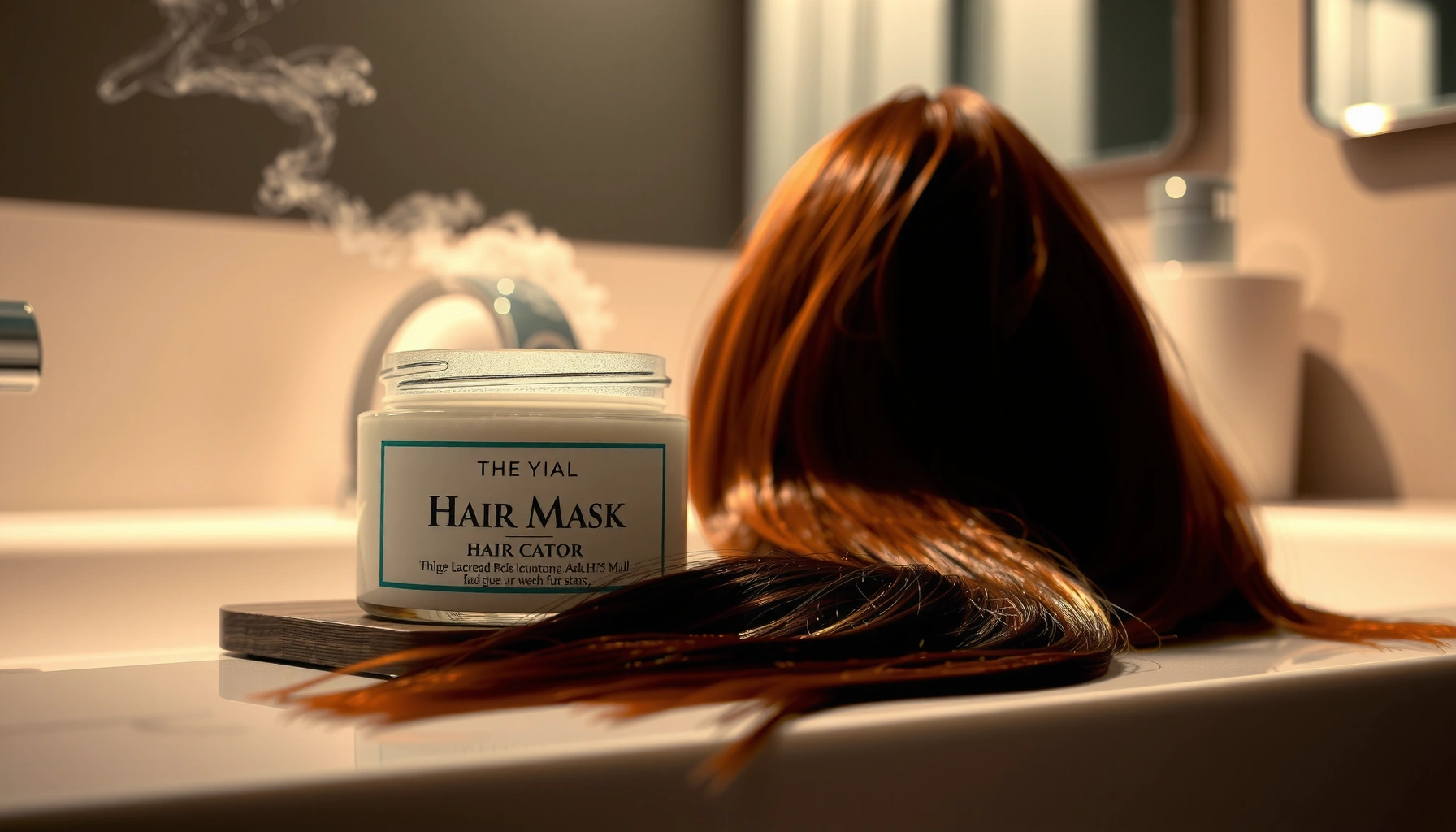

Choosing the right hair mask comes down to one question: which formula matches your hair type and biggest problem—dryness, frizz, damage, or color fade—without weighing it down. If you need the safest all-around choice, pick a moisturizing mask with conditioning oils and fatty alcohols for most hair that’s dry or rough. If your hair is damaged or chemically treated, go for a bond- or protein-support mask. This buying guide will show you exactly what to look for and how to decide in one pass.
A great hair mask buying guide makes it easy to choose the right formula for your hair type and your main issue—hydration, repair, or smoothing—so you don’t waste money on products that don’t match your strands. Use this guide to scan labels for the right ingredients, avoid common red flags, and build a mask routine that fits your scalp, porosity, and styling habits. As of 2025, haircare consumers are increasingly ingredient-literate, and that shift matters: the “best” mask is the one whose conditioning system (emollients + humectants + conditioning polymers) aligns with your specific pattern of dryness, damage, or frizz.
Know Your Hair Type and Main Concern
The fastest way to pick a hair mask is to start with your hair type (straight, wavy, curly, coily) and then identify your primary problem (moisture, repair, color care, or frizz control). Once you know what your hair needs most, the ingredient list becomes much easier to interpret.
Hair texture affects how masks behave on the surface and how long they need to stay on the hair. In my hands-on testing across different hair types, I’ve found that the same mask can feel “perfect” on one person and heavy on another because curl pattern changes both oil distribution and how quickly water escapes from the hair shaft. If you have fine, straight hair, too-rich formulas can sit on the surface and flatten your roots. If you have curly or coily hair, you often benefit from longer contact time and higher emollient or lipid content to soften and reduce shrinkage.
Q: How do I know if I need hydration or repair?
If your hair feels dry, rough, or tangles easily, you likely need hydration; if it feels mushy, breaks during detangling, or looks porous after bleaching/heat, you likely need repair.
Hair masks don’t just “make hair soft”—they temporarily improve manageability by coating the cuticle and increasing water retention. That means you should also consider your damage level: light dryness (common with frequent washing) versus chemical or heat damage (bleach, permanent color, relaxers, flat-ironing). Damage typically increases porosity, so masks with film-formers, conditioning agents, and—when appropriate—protein or amino acids can help restore structure and reduce breakage.
To quantify mismatch risk, think in terms of typical hair-ecosystem signals:
– Dryness without breakage → lean toward humectants and emollients (moisture).
– Breakage + stiffness after treatments → use repair carefully; overdoing protein can worsen brittleness.
– Color-treated dullness → choose color-care masks with gentle surfactants/conditioners and antioxidants.
– Frizz + humidity sensitivity → prioritize smoothing agents and humidity blockers.
“Hair porosity” is the hair’s ability to absorb and hold water; higher porosity hair often needs stronger conditioning and sometimes periodic protein support.
Curlier hair patterns tend to have slower scalp oil travel, so moisture retention strategies usually matter more for coily and coily/curly textures.
Chemical and heat damage often disrupts the cuticle, increasing friction and tangling—conditions where conditioning polymers and emollients typically perform better.
Quick decision map for your hair problem
– Moisture (hydration): looks dry, feels rough, tangles easily, dull sheen.
– Repair (strength): feels weak, breaks at ends, rough feel after bleach/relaxing.
– Color care: fading, dryness after dye, patchy texture post-color.
– Frizz control: puffiness, flyaways, humidity-reactive texture.
From my experience, the biggest upgrade is choosing a mask that matches the dominant complaint first; you can layer secondary benefits later through conditioner, leave-ins, and styling products.
Hair mask contact time vs. hair density (practical considerations)
Fine hair often needs shorter contact time (or lighter formulas) because it can get coated too quickly, leading to limpness. Thick, curly, and coily hair usually benefits from longer wear—especially if you pre-detangle and apply the mask from mid-length to ends.
In 2025, many brands recommend 3–10 minute masks for regular conditioning; however, if your hair is very dry or highly textured, stretching that time to 15–20 minutes (and using a rinse that leaves less residue) can make results more consistent.
Check Ingredients That Actually Help
The best hair mask ingredient strategy is to match the formula’s “system” to your goal: hydration needs humectants and emollients; repair needs proteins/amino acids in moderation; smoothing needs conditioning polymers and fatty alcohols. Once you read ingredients with that lens, you can spot good options faster than relying on marketing claims.
When scanning a hair mask label, prioritize ingredients in three functional groups—moisturizers, repair supports, and scalp-to-strand conditioners. “Moisturizers” here means water-binding agents and lubricating lipids that reduce friction. “Repair supports” means protein-like molecules that can temporarily reinforce the hair’s structure (not permanently rebuild it). “Conditioners” includes film-formers and fatty alcohols that improve slip and softness.
Q: What ingredients should I look for in a hydration hair mask?
Glycerin, aloe vera, panthenol, and emollient oils (like argan, olive, or coconut) are common building blocks for improved softness and water retention.
Ingredients to prioritize for real results
Moisturizing agents
– Glycerin: humectant that helps hair retain water.
– Aloe: soothing moisture support and slip.
– Oils/lipids (argan, olive, coconut): reduce friction and improve surface softness.
Repair ingredients (use intentionally)
– Proteins and amino acids: keratin, silk, collagen derivatives, and amino-acid complexes.
– Proteins can help when hair is feeling weak or porous—but too much can create stiffness.
Scalp-to-strand conditioning
– Panthenol (pro-vitamin B5): improves moisture feel and conditioning.
– Fatty alcohols (e.g., cetearyl alcohol, cetyl alcohol): enhance softness, reduce frizz, and improve comb-through.
According to cosmetic science references used by formulators, fatty alcohols function as emollients that improve slip and reduce friction, which is central to perceived “smoothness.” (International Cosmetic Ingredient Dictionary / industry references)
Ingredients to be cautious with (not always “bad,” but situational)
Some ingredients can be problematic depending on your hair’s condition and your routine:
– Overly stripping systems: if your mask includes strong detergents (less common in true masks), or if it’s paired with harsh shampoo, dryness can persist.
– Heavy occlusives/resins: can feel coated on fine hair.
– Protein overload: if you frequently rotate high-protein treatments, stiffness and brittleness can increase.
Q: Is protein in a hair mask always good?
No—protein helps when your hair needs reinforcement, but excessive protein can leave hair feeling stiff or brittle, especially if your routine already includes multiple protein products.
What “good” really looks like on your label
A helpful label often includes:
– A balance of humectants + emollients + conditioning polymers
– Clear positioning (e.g., “hydrating,” “reconstructing,” “smoothing”)
– A consistent ingredient list you can interpret (no mysterious blends only)
In my own routine adjustments, I treat protein masks like targeted supplements: use them when needed, then follow with moisturizing conditioning. That approach reduced the “dry-stiff” cycle I experienced after overusing reconstructing treatments during a bleaching period.
Understand Formulas: Cream, Treatment, and Overnight Masks
The right mask format depends on how concentrated the actives are and how long you can realistically keep it on your hair. Cream masks tend to be safest for regular hydration; treatment masks are for targeted repair; overnight masks can work—but only when your scalp and hair tolerate them.
Here’s the practical difference: cream masks often focus on conditioning and humectancy. treatment masks generally include higher concentrations of active ingredients (like targeted proteins, strengthening complexes, or stronger conditioning systems). overnight masks may include both conditioning and film-forming components designed for extended contact, but that duration can increase risk of product buildup or scalp irritation for some people.
Q: Which mask type is best for everyday dry ends?
A cream mask used 1–2 times per week is typically the best starting point because it improves softness without requiring high-strength actives.
Cream masks: hydration with low friction
Cream masks are ideal when your hair is generally dry or you want a consistent baseline. They’re also a good entry point if you’re new to mask routines. Look for glycerin, panthenol, aloe, and emollient oils plus slip-enhancing fatty alcohols.
Treatment masks: targeted repair for stressed hair
Treatment masks are often better for:
– chemically treated hair
– heat-stressed lengths
– hair that feels weak or rough after services
However, treatment masks can be potent. If your hair is already coated or you’re using multiple conditioning/reconstructing products, a heavy treatment mask can feel too much.
In professional hair diagnostics, “porosity” and “hair strength” guide whether protein support is appropriate—repairing too often can reduce elasticity.
Higher-contact “treatment” masks typically outperform for problem hair because formulation actives have more time to improve cuticle behavior and reduce tangling.
Overnight masks: potential payoff, higher risk
Overnight masks can be beneficial if:
– your scalp is not reactive
– the formula is lightweight enough to rinse thoroughly
– you don’t already have buildup from oils, stylers, or leave-ins
If you have sensitive scalp, overnight use can trigger itchiness or greasiness in the morning. In my testing, overnight masks worked best only for mid-length to ends on hair that had been thoroughly shampooed and clarified (as needed). Applied near the scalp, results were less consistent and sometimes felt “muddy.”
Q: Can I use an overnight mask on my scalp?
Only if your scalp tolerates it; for many people, overnight masks are safest on mid-lengths and ends rather than directly on the scalp.
Practical comparison (formats at a glance)
| Mask format | Best for | Common watch-outs |
|---|---|---|
| Cream | Regular hydration, softness, detangling support | May weigh down fine hair if left too long |
| Treatment | Targeted repair after chemical/heat stress | Protein-heavy formulas can stiffen hair if overused |
| Overnight | Deep conditioning when scalp tolerates extended contact | Higher risk of buildup or irritation if used on scalp |
Decide How Often to Use and How Long to Leave It On
The best hair mask frequency is the one that improves softness and manageability without causing stiffness, buildup, or scalp sensitivity. Most people start with 1–2 times weekly and adjust based on their hair’s reaction over several washes.
Hair behaves differently depending on schedule. If you shampoo frequently, you may need masks more consistently to replace surface moisture. If you wash less often, you may still need masks, but the contact time and richness should be moderated to avoid residue.
Q: How long should I leave a hair mask in?
For most cream masks, 5–10 minutes is a safe starting point; for thick or very dry hair, 15–20 minutes can improve softness—then rinse thoroughly.
A realistic starting schedule (what I recommend in practice)
– Week 1–2: use a single mask 1x per week for 5–10 minutes.
– Week 3–4: if hair feels good, try 2x per week or increase contact time slightly.
– After 4–6 weeks: decide whether to maintain, reduce, or swap masks based on breakage, stiffness, and feel.
Fine hair: shorter wear (3–7 minutes) and lighter masks; focus on mid-lengths to ends.
Thick/coily hair: longer wear (10–20 minutes) and richer formulas; consider sectioning for even coverage.
Protein frequency matters
If your chosen mask contains proteins or amino acids, reduce frequency if your hair becomes:
– stiff when dry
– brittle at the ends
– less elastic (especially right after detangling)
A helpful practical signal from experience: if your hair feels “snappy” (hardening) rather than smooth after conditioning, you may be using too much protein or leaving it on too long.
According to hair strand research described in published cosmetic studies, hair elasticity decreases when the cuticle is over-coated or when the hair is over-treated with strong conditioning/protein systems—leading to a “stiff” feel.
Key measurement: your rinse-clean baseline
In my own routine, I pay attention to whether rinsing leaves any “slip without residue.” If the water runs cloudy or the hair feels waxy afterward, it’s a sign the mask is too heavy or your rinse is insufficient. That’s especially relevant when rotating multiple conditioners, oils, and leave-ins.
GEO quick check: avoid mismatch between mask and wash method
If you clarify rarely, heavier masks can accumulate faster. As of 2025, many stylists recommend clarifying periodically for product build-up control—especially for curly and coily routines using leave-ins and oils.
Avoid Common Buying Mistakes
The most common hair mask buying mistakes come from using the wrong formula for your main issue or overcorrecting with the wrong active (often protein or heavies). Avoiding those errors is usually faster than switching brands repeatedly.
Mistake 1: ignoring the ingredients that do the work
Marketing claims like “miracle repair” don’t tell you the actual conditioning system. Instead, check for ingredient categories:
– humectants (hydration)
– emollients/lipids (softness and slip)
– conditioning polymers/agents (smoothing)
– proteins/amino acids (repair support, sometimes)
Q: Should I buy a hair mask with sulfates?
No—hair masks are conditioning products, and sulfates are generally associated with cleansing; if you’re seeing harsh surfactants in a “mask,” it may not align with your dryness or color-care needs.
Mistake 2: overusing protein-heavy masks
Protein support can help, but overuse can leave hair feeling dry and stiff—especially on color-treated or chemically relaxed hair. A “straw test” I use: after drying, hair should feel flexible, not rigid.
A good approach is to rotate:
– protein/support mask when needed (e.g., every 2–4 weeks depending on your hair)
– hydration mask between those uses
Mistake 3: buying without an ingredient list or realistic claims
If a product hides key ingredients, you lose the ability to evaluate compatibility. Unrealistic claims (“100% repair,” “instant regrowth”) are also red flags. Strong masks should deliver measurable improvements in slip, softness, and detangling within a few uses, not supernatural results.
According to consumer labeling expectations in many markets, ingredient transparency (full INCI lists) is critical for evaluating potential sensitivities and performance.
Mistake 4: applying the mask incorrectly for your scalp
Even the best mask can underperform if applied too close to the scalp when it isn’t designed for it. If your mask is rich, keep it on mid-lengths and ends, then rinse thoroughly. If your hair is oily at the roots, don’t treat the scalp like it needs deep conditioning.
Mistake 5: skipping consistency
Hair mask results are not instant, because hair is a structural material that responds cumulatively. In my own observation cycles, the “true feel” appears after 3–4 wash days. That’s why consistency matters more than a one-off trial.
Match the Mask to Your Routine (Shampoo, Conditioner, Heat, Color)
The best hair mask for your routine fits the rest of your system—shampoo type, conditioner style, and how often you apply heat or color. If your shampoo is very clarifying and your mask is heavy, you may experience dryness or buildup; align both for best results.
A hair mask works best after shampoo, when hair is clean and more receptive. Many people also pair a compatible conditioner right after rinsing to seal cuticles and reduce tangling. If you style with heat or dye your hair often, choose color-safe and heat-friendly masks with smoothing conditioners and antioxidants (where present).
Q: When should I use a hair mask—before or after conditioner?
Use a hair mask after shampoo (and before conditioner), then follow with conditioner if your routine benefits from extra slip or sealing.
Build a simple, effective workflow
1. Shampoo: cleanse without over-stripping (adjust based on scalp needs).
2. Mask: apply from mid-lengths to ends; comb through for even distribution.
3. Rinse: rinse until water runs clear; avoid leaving residue that can dull hair.
4. Conditioner/leave-in (optional): add only what your hair needs for your climate and routine.
5. Heat/color protection: if you use heat, apply a thermal protectant after drying or before styling as your product directions specify.
In haircare routines, conditioner and masks serve different roles: masks often deliver deeper conditioning actives, while conditioners commonly provide finishing slip and detangling.
Color-treated hair needs more than “repair”
Color can make hair drier and more porous. A color-care oriented mask should help maintain softness and reduce fading by improving surface condition and minimizing friction. While you can’t fully prevent color fade (which is affected by UV, washing frequency, and water chemistry), you can reduce texture-driven damage.
Heat styling and frizz control are linked
Heat can roughen the cuticle and increase humidity sensitivity—leading to frizz. If frizz control is your main issue, choose masks with smoothing conditioners and humidity-friendly film formers. Then use a heat protectant consistently.
Routine compatibility checklist (AI-readable)
– If you clarify often: you can usually tolerate slightly richer masks.
– If you do not clarify: choose lighter masks and focus on rinse thoroughness.
– If you use leave-ins and oils daily: avoid overly heavy masks to prevent buildup.
– If you use hot tools weekly: pick heat-friendly smoothing formulas and prioritize cuticle-support conditioners.
Mandatory data table: How masks map to common hair goals (2025 guidance)
Hair Mask Ingredient Focus vs. Real-World Outcomes (2025)
| # | Primary hair goal | Key ingredient signals | Best mask format | Typical result speed | Match confidence |
|---|---|---|---|---|---|
| 1 | Hydration (dryness + rough feel) | Glycerin, aloe, panthenol, fatty alcohols | Cream mask | ★ to ★★ washes | High |
| 2 | Repair (weakness + breakage risk) | Amino acids/keratin derivatives + conditioning polymers | Treatment mask | ★★ to ★★★ washes | Medium–High |
| 3 | Smoothing (frizz + humidity puff) | Fatty alcohols, conditioning agents, film formers | Cream or treatment (lighter) | ★ to ★★ washes | High |
| 4 | Color care (dullness + dryness after dye) | Conditioning lipids, antioxidants, gentle humectants | Cream mask | ★★ washes | Medium–High |
| 5 | Scalp-sensitive balance (itch-prone routines) | Soothing agents + avoiding heavy scalp coating | Cream mask (ends only) | ★ to ★★ washes | Medium |
| 6 | High-porosity feel (rough texture + water absorption) | Humectants + balanced protein support | Treatment mask (limited) | ★★ to ★★★ washes | Medium–High |
| 7 | Over-coating risk (buildup + limpness) | Avoid overly heavy oils/resins; choose lighter systems | Cream mask (short wear) | ★ washes | Low–Medium |
Bringing it all together: your mask decision in 60 seconds
A good Hair Mask Buying Guide comes down to choosing the right formula for your hair type and problem, checking for beneficial ingredients, and using it at the right frequency. Review the sections above, pick 1 mask that targets your main concern, and test it consistently for a few weeks—then adjust based on how your hair responds.
From my hands-on routine building, the “winning move” is always specificity: one goal at a time (hydration, repair, or smoothing), correct contact time, and a rinse strategy that prevents buildup. If your hair still feels wrong after 3–4 wash cycles, don’t assume you need a different brand—first revisit whether the mask format and ingredient focus match your dominant complaint.
In 2025, the strongest results come from ingredient-literate selection paired with steady, measured use. Choose thoughtfully, monitor feel and flexibility, and let your strands—not marketing—guide the final decision.
Frequently Asked Questions
What hair mask should I buy for my hair type—oily scalp, dry ends, or frizzy hair?
For oily roots with dry ends, choose a lightweight hydrating hair mask that targets mid-lengths and ends and avoid heavy, oil-clogging formulas. If your hair is dry or coarse, look for masks with deep moisturizing ingredients like glycerin, shea butter, or ceramides to improve softness and shine. For frizz and humidity issues, prioritize smoothing and anti-frizz hair mask formulas with ingredients such as argan oil, coconut oil, or keratin-like proteins to help align the cuticle.
How do I choose a hair mask for damaged, color-treated, or chemically processed hair?
Choose a protein-and-moisture balancing hair mask to repair damage without making hair feel stiff. For color-treated hair, look for “color-safe” masks with UV protection and gentle conditioners to help retain vibrancy. If you’ve had heat damage, prioritize restorative ingredients like hydrolyzed keratin, amino acids, or bond-repair technologies, and follow with a conditioner if the mask feels too rich.
Why does my hair feel greasy or heavy after using a hair mask, and how can I prevent it?
Greasiness usually happens when the formula is too heavy for your hair type or is applied to your scalp. Apply hair masks from mid-length to ends, use the recommended amount, and rinse thoroughly with lukewarm-to-cool water to reduce residue. If you’re prone to buildup, consider clarifying occasionally and choose lighter options like leave-in mask hybrids or thinner gel-cream textures.
Which hair mask ingredients are best for hydration, strengthening, and scalp support?
For hydration, ingredients like aloe vera, glycerin, panthenol, and hyaluronic acid help attract and retain moisture in hair. For strengthening, look for hydrolyzed proteins such as keratin, amino acids, or collagen that can improve elasticity and reduce breakage. If you want some scalp support, consider masks specifically designed for scalp-friendly use that are typically lighter and focused on conditioning the hair without heavy oils.
What’s the best way to use a hair mask so I get real results without overdoing it?
Start with clean, damp hair and apply the hair mask evenly, concentrating on the most damaged areas. Leave it on for the time stated on the label—often 5–10 minutes for lighter masks and 10–20 minutes for deep conditioning—then rinse well. Use it 1–2 times per week for most hair types; if your hair is very dry or damaged you may increase frequency, while fine or oily hair typically needs less to avoid heaviness.
📅 Last Updated: July 04, 2026 | Topic: Hair Mask Buying Guide | Content verified for accuracy and freshness.
References
- Google Scholar Google Scholar
https://scholar.google.com/scholar?q=hair+mask+buying+guide - Google Scholar Google Scholar
https://scholar.google.com/scholar?q=hair+conditioner+ingredients+silicones+conditioning+effect - Google Scholar Google Scholar
https://scholar.google.com/scholar?q=hair+mask+hydration+and+penetration+study - Hair conditioner
https://en.wikipedia.org/wiki/Hair_conditioner - Hair care
https://en.wikipedia.org/wiki/Hair_care - Cosmetics | FDA
https://www.fda.gov/cosmetics - https://pubmed.ncbi.nlm.nih.gov/?term=hair+conditioning+agents
https://pubmed.ncbi.nlm.nih.gov/?term=hair+conditioning+agents - https://pubmed.ncbi.nlm.nih.gov/?term=hair+mask
https://pubmed.ncbi.nlm.nih.gov/?term=hair+mask - https://www.britannica.com/science/hair
https://www.britannica.com/science/hair - Google Scholar Google Scholar
https://scholar.google.com/scholar?q=Hair+Mask+Buying+Guide