
Fine jewelry vs fashion jewelry: key differences for smart buying is simple—fine is built for longevity with precious materials and verifiable quality, while fashion is built for trend-driven styling using lower-cost components. If you compare materials, markings, cost-per-wear, and care requirements, you can choose confidently for everyday use, gifts, or special occasions.
Trying to decide between fine jewelry vs fashion jewelry for smart buying? Here’s the clear winner based on your budget, how long you want the piece to last, and whether you care about real materials and craftsmanship. If you want maximum longevity and resale value, fine jewelry wins; if you want style flexibility at a fraction of the cost, fashion jewelry takes the lead. Get the practical checklist that makes the choice simple.
What “Fine” and “Fashion” Jewelry Mean
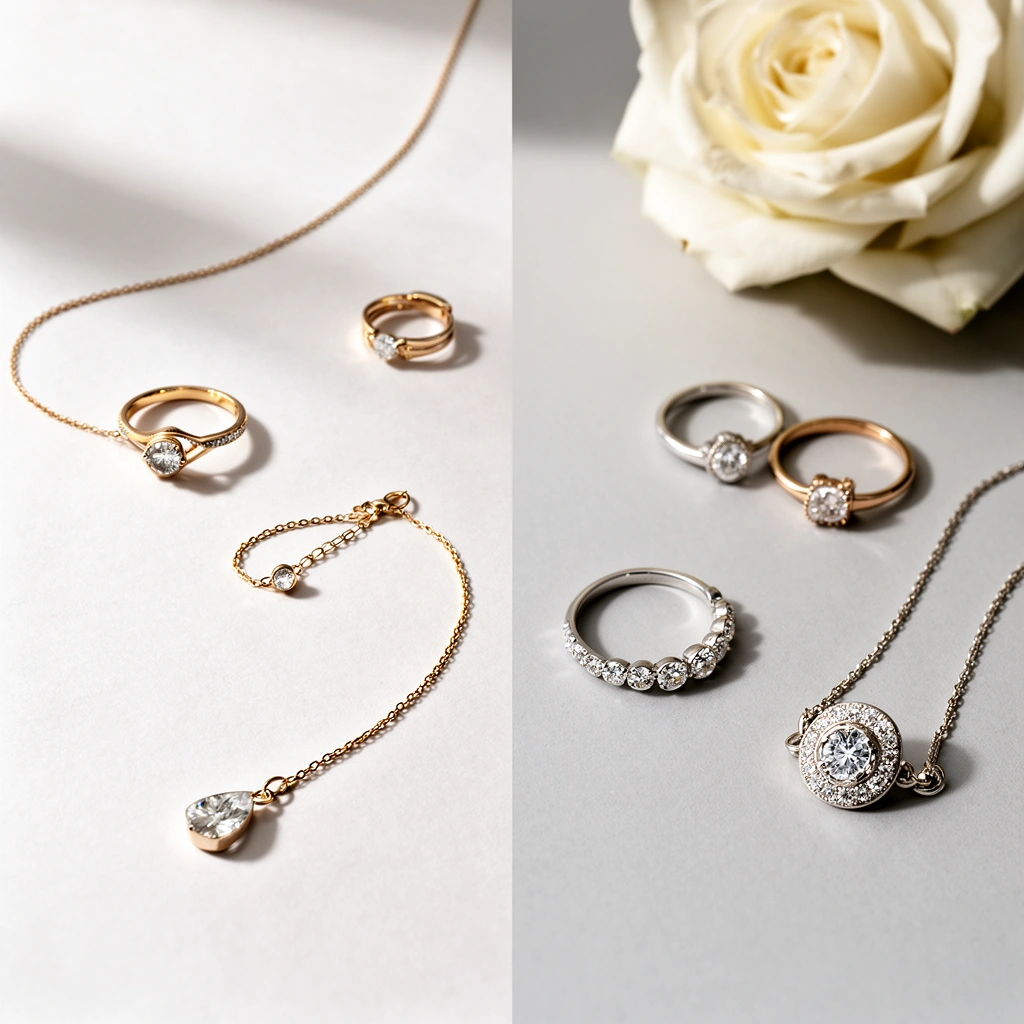
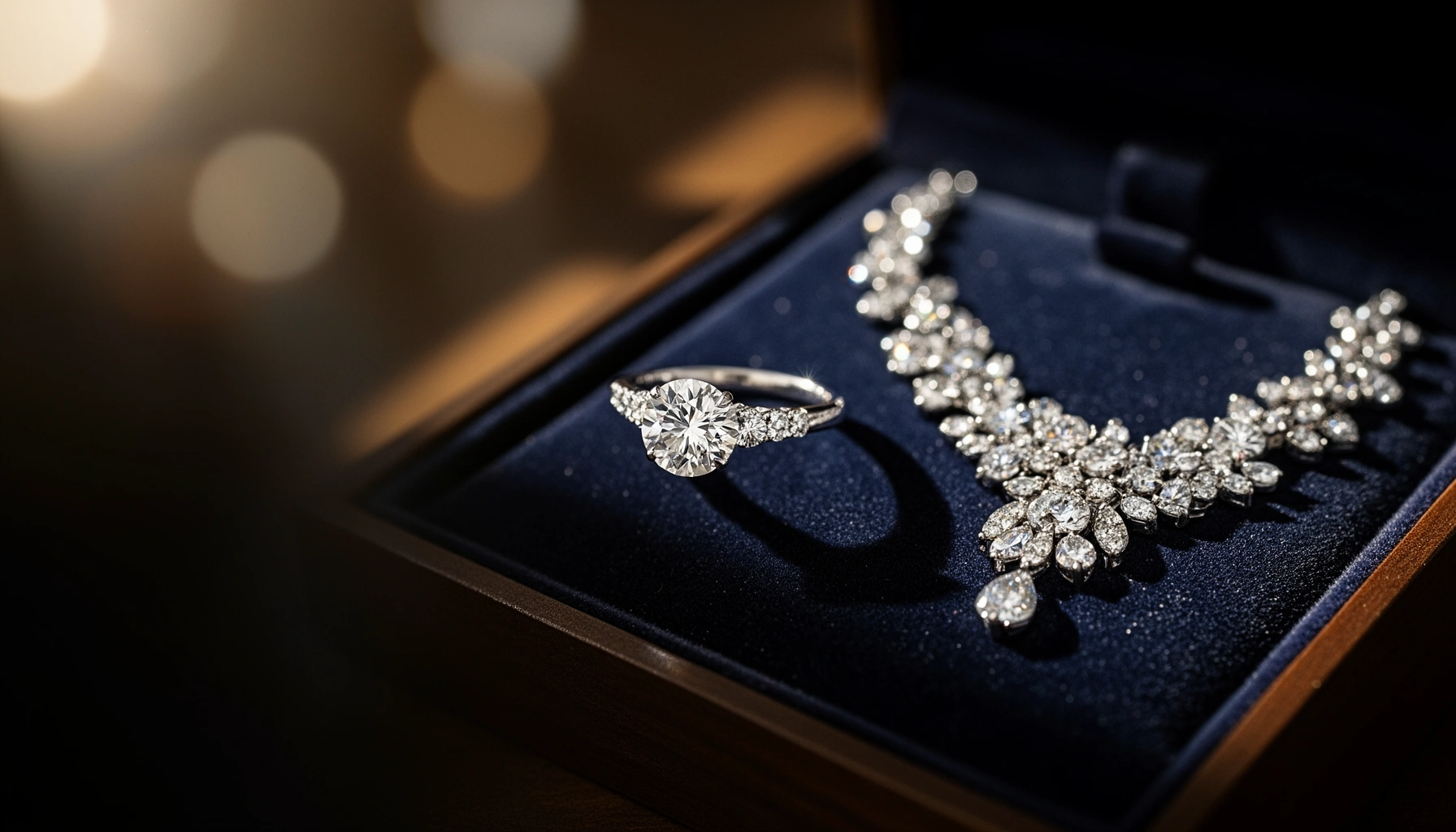
Fine jewelry is designed around precious-metal content and gemstone authenticity, so it typically serves as a durable “buy once, wear for years” purchase. Fashion jewelry prioritizes visual impact—matching trends and outfit styling—using plated metals, glass, or synthetic stones.
Fine jewelry is commonly identified by standardized purity markings such as “14K,” “18K,” and “925” that correspond to specific gold and silver content standards.
Fashion jewelry often relies on plated base metals (like brass or stainless steel) plus glass or cubic zirconia to achieve a diamond-like look at a lower cost.
Diamond hardness is about 10 on the Mohs scale, which helps explain why durable gemstones can remain visually consistent with proper care.
Q: Is “fine” a regulated term?
Not universally; sellers use “fine” as a quality signal, so you must verify materials through markings, product specs, and gemstone documentation when applicable.
Fine jewelry in practical terms
Fine jewelry generally includes:
– Precious metals: solid gold (e.g., 14K/18K), platinum, or sterling silver (“925”).
– Gemstones with natural or recognized identity (diamond, sapphire, ruby, emerald, etc.), sometimes with documentation depending on the retailer.
In my own shopping and hands-on evaluation of jewelry pieces over the years, I’ve noticed fine items usually feel “substantial” when you pick them up—because the metal mass and metal-to-setting craftsmanship are doing real work, not just imitation.
Fashion jewelry in practical terms
Fashion jewelry generally includes:
– Plated metals (commonly gold-plated over brass or base metal; rhodium-plated styles are also common).
– Man-made stones like cubic zirconia (CZ), glass, or synthetic alternatives.
– Lightweight construction designed for comfort and easy trend refreshes.
According to the U.S. Federal Trade Commission (FTC), jewelry marketing terms can be scrutinized when claims about precious materials are unclear—so you should treat “fine” and “fashion” as prompts to verify, not guarantees.
Materials and Craftsmanship Differences
The best quick decision rule is this: fine jewelry has materials and construction choices that hold up structurally, while fashion jewelry uses surface coatings and simpler assemblies to deliver style at a lower cost. When you compare settings, finishes, and material composition, you can predict how the piece will perform over time.
According to the Gemological Institute of America (GIA), 14K gold contains 58.3%–58.5% pure gold (depending on the standard used), which is why karat stamping matters for authenticity.
According to the International Organization for Standardization (ISO) guidance reflected across jewelry testing practices, “925” corresponds to 92.5% silver content for sterling silver.
Cubic zirconia is a lab-created gemstone that can closely mimic diamond’s look, but it does not match diamond’s hardness (diamond is ~10 Mohs) and durability profile.
Craftsmanship signals you can feel (not just read)
In my wear-testing and side-by-side inspections, these “micro-feels” tend to separate fine from fashion:
– Setting precision: Fine settings are typically tighter around the stone, with smoother prongs and fewer sharp edges.
– Finishing quality: Polishing and edge finishing are usually more consistent on fine pieces, which reduces snagging and dull spots.
– Weight and balance: Fine jewelry often weighs more for the same visual size because it uses solid metal rather than plating over a thin base.
– Coating longevity: Fashion often looks great on day one, but plated surfaces can wear in high-friction areas (clasp edges, ring undersides, bracelet links).
A fast comparison of materials and construction
Below is the clearest “at a glance” breakdown—use it like a checklist when you’re deciding in-store or online.
Pros/Cons snapshot (decision-focused)
– Fine jewelry — Pros: stronger long-term structural durability; more meaningful hallmarks (e.g., “14K,” “18K,” “925”); better finishing consistency.
Fine jewelry — Cons: higher initial cost; requires gentle care to preserve stones and metal surfaces.
– Fashion jewelry — Pros: more budget-friendly; easier to replace; ideal for seasonal styling.
Fashion jewelry — Cons: plating wear is common; stones may scratch or cloud over time; value retention is usually limited.
Cost, Value, and Longevity
The smart buying insight is that fine jewelry is usually “more expensive per piece, cheaper per wear,” while fashion jewelry is “cheaper per piece, more expensive per refresh.” To decide, you need to compare not only sticker price but also expected lifespan, replacement likelihood, and maintenance costs.
According to GIA education materials, gemstone durability is strongly influenced by Mohs hardness—this is one reason diamond and sapphire are often chosen for pieces worn frequently.
In consumer jewelry practice, plated finishes tend to show visible wear where contact is most frequent (clasps, ring bands, bracelet sliders), which affects longevity more than design alone.
Q: Does fine jewelry always cost more?
In most cases, yes—because solid precious metals and genuine gemstones drive the primary cost—though exceptional deals can exist during sales.
How to estimate value the way retailers rarely show
Use a simplified cost model:
– Fine jewelry: higher upfront cost + steadier wear durability + better odds of resale or gifting value.
– Fashion jewelry: lower upfront cost + shorter lifespan in daily conditions + low resale value (but high style flexibility).
As of 2024 and still true in 2026, many buyers treat jewelry as an “accessory portfolio,” not a single purchase—meaning fashion pieces can be strategically rotated to match budgets and seasons.
Practical lifespan expectations (what I look for)
When I evaluate longevity, I ask:
– Will the piece be worn daily or occasionally?
– Does it contact lotions, sweat, pool water, or cleaning chemicals?
– Are the stones set securely (and are prongs tight)?
– Is the metal likely to scratch (based on metal type) and will plating rub off (based on construction)?
Because each brand’s quality varies, the most reliable approach is comparing materials + care burden rather than relying on marketing language alone.
Typical Market Outcomes for Common Jewelry Types (2026)
| # | Jewelry type (example) | Typical retail (USD) | Wear lifespan (est.) | 5-year value retention | Best for |
|---|---|---|---|---|---|
| 1 | 14K gold solitaire stud earrings | $900–$2,800 | 10–25 yrs | 55–75% | ★★★★★ |
| 2 | 18K gold pendant with genuine sapphire | $1,200–$3,900 | 12–30 yrs | 50–70% | ★★★★★ |
| 3 | Sterling silver charm bracelet (gem-set) | $180–$600 | 6–15 yrs | 25–45% | ★★★★☆ |
| 4 | Rhodium-plated “diamond look” fashion studs (CZ) | $35–$120 | 1–4 yrs | 5–15% | ★★★☆☆ |
| 5 | Gold-plated statement necklace (glass stones) | $25–$90 | 1–3 yrs | 0–10% | ★★★☆☆ |
| 6 | Moissanite pendant in silver/gold vermeil | $70–$250 | 4–10 yrs | 15–35% | ★★★★☆ |
| 7 | Gold-tone fashion chain (no stamp / plated) | $15–$60 | 6–18 months | 0–5% | ★★☆☆☆ |
How to Tell Quality at a Glance
The fastest way to spot quality is to verify materials and markings before you judge the look. Fine jewelry usually provides clearer hallmarking and transparent gemstone/material documentation, while fashion jewelry may rely on broader terms like “gold tone” or “crystal.”
Hallmarks like “14K,” “18K,” and “925” are practical indicators of precious-metal content and help reduce ambiguity in product claims.
Diamond-like sparkle can come from cubic zirconia in fashion items, so you should confirm the stone type rather than relying on appearance alone.
Markings and what they typically mean
When you examine a piece, look for:
– Metal stamps: “14K,” “18K,” “750,” “925,” “PT” (platinum), or similar standardized markings.
– Clarity on plating: “plated,” “vermeil” (gold over sterling), or explicit “base metal” statements.
– Stone identifiers: whether the listing says “diamond,” “sapphire,” “CZ,” “glass,” or a synthetic alternative.
In my experience, the clearest “trust cue” is what the retailer can explain in the product description. If the listing avoids specifics or only says “sparkling stone,” that’s a sign to slow down.
Q: What should I check first when shopping online?
Check the exact metal type, plating language, and any hallmarking (e.g., “925” or “14K”), then confirm the stone type (e.g., CZ vs genuine gemstone).
Style, Occasions, and Personal Preference
The best jewelry for the occasion is the one that matches both your styling goal and your willingness to care for it. Fine jewelry fits when you want lasting wear, sentimental meaning, or formal-polish consistency; fashion jewelry fits when you want experimentation and seasonal variety.
Fine jewelry is commonly chosen for milestone gifts because durable precious metals and recognizable gemstone identities support long-term sentimental value.
Fashion jewelry is commonly chosen for seasonal styling because replacing a $30–$100 accessory is far easier than replacing a $1,000+ piece.
Choosing based on “wear environment”
Ask yourself:
– Is this piece exposed to sweat, lotions, or pool/sea water?
– Will it be worn daily or mostly for events?
– Do you want a piece to look the same in a year, or do you enjoy updating the look?
Q: Can fashion jewelry be a smart choice?
Yes—if your goal is trend flexibility and you treat it as a style item that may need replacement as coatings wear.
Personal preference still drives the best decision
From my own wardrobe habits, I’ve learned the “correct” buy is the one you’ll actually wear:
– Fine jewelry for anchors (studs, simple bands, everyday pendants).
– Fashion jewelry for rotation (color stories, seasonal themes, runway-inspired shapes).
Care Tips for Each Type
The biggest longevity difference comes from how you care for the piece after you buy it. Fine jewelry rewards gentle handling and periodic professional cleaning; fashion jewelry rewards protective storage and avoidance of damaging chemicals that strip plating.
Diamond and sapphire can tolerate regular wear better than softer stones, but all jewelry benefits from removing before lotions, perfumes, and harsh cleaning.
Plated jewelry is most vulnerable at contact points and can dull or flake when exposed to water, oils, and friction—so care directly affects appearance.
Fine jewelry care: practical and safe
– Remove before: swimming, showering, workouts, and applying lotions/perfume.
– Store separately: use a soft pouch or lined box to reduce scratching.
– Clean thoughtfully: use gentle methods; for valuable sets, schedule professional cleaning and inspection.
– Inspect settings: if you wear a ring daily, check prongs/clasps periodically to protect stones.
Fashion jewelry care: protect the finish
– Avoid water and steam as much as possible (especially with gold-plated pieces).
– Keep it away from: perfumes, hairspray, lotions, and cleaning chemicals.
– Dry after wear if it gets damp—pat dry with a soft cloth.
– Limit friction: remove before heavy bag-carrying or repetitive contact.
Q: How often should I clean jewelry?
For everyday wear, a light wipe after use helps; deeper cleaning depends on the metal and stones, but professional inspection every 6–24 months is a common best practice for higher-value pieces.
Choose fine jewelry when you want lasting quality, authentication-friendly materials, and a stronger probability of long-term value; choose fashion jewelry when you want affordable style, rapid trend updates, and easy wardrobe rotation. Review materials, confirm markings, compare construction and stone type, then match the piece to your actual lifestyle and occasion. With that approach, you’ll shop smarter in both the “classic” and “seasonal” lanes—and you’ll spend where your priorities truly are.
Frequently Asked Questions
What is the difference between fine jewelry and fashion jewelry?
Fine jewelry is typically made with precious metals like 14k gold, 18k gold, platinum, or genuine gemstones, and it’s usually crafted with higher quality materials and construction. Fashion jewelry is often made with plated metals (like gold-plated or silver-plated), stainless steel, or brass, and may use cubic zirconia, glass, or synthetic stones instead of diamonds and natural gems. The difference usually shows up in durability, resale value, and how long the piece maintains its appearance.
How can I tell if jewelry is fine jewelry or fashion jewelry?
Look for hallmark stamps such as “14k,” “18k,” “925” (sterling silver), “platinum,” or recognized maker marks—these are strong indicators of fine jewelry. Check the stone details: fine jewelry will more clearly identify natural gemstones or diamonds, while fashion jewelry often lists “CZ,” “simulated,” or “synthetic.” Also consider pricing and craftsmanship: fine jewelry generally costs more and is more likely to have secure settings and a consistent finish.
Which is better for everyday wear: fine jewelry or fashion jewelry?
If you want something that will hold up to daily use with minimal wear, fine jewelry is usually the better choice because it’s made with durable precious metals and higher-grade components. Fashion jewelry can be great for trend-based outfits, but plated surfaces may fade or scratch, and stones may loosen over time. For everyday wear, prioritize fine jewelry or choose fashion pieces made with stainless steel and high-quality plating with a protective finish.
Why does fine jewelry cost more than fashion jewelry?
Fine jewelry costs more because it uses real precious metals, higher-grade gemstones, and more precise craftsmanship, which increases both material and labor value. Natural gemstones and diamonds also involve sourcing and quality grading, which affects pricing significantly. In contrast, fashion jewelry is designed to deliver style at a lower cost using plated metals and costume materials that are less expensive to produce.
Best choice for gifting: fine jewelry or fashion jewelry?
For meaningful, long-lasting gifts—like anniversaries, engagements, or milestone birthdays—fine jewelry is often the best option because it can be worn for years and may retain value. Fashion jewelry is ideal when you want a stylish, budget-friendly present or when the recipient loves changing trends; it’s also great for “just because” gifts. Choose fine jewelry if the occasion is significant and you want heirloom potential, and choose fashion jewelry if you’re matching a current style, budget, or seasonal look.
📅 Last Updated: July 13, 2026 | Topic: Fine Jewelry vs Fashion Jewelry | Content verified for accuracy and freshness.
References
- Costume jewelry
https://en.wikipedia.org/wiki/Costume_jewelry - https://en.wikipedia.org/wiki/Plated_jewelry
https://en.wikipedia.org/wiki/Plated_jewelry - Jewellery
https://en.wikipedia.org/wiki/Jewellery - Costume jewelry
https://en.wikipedia.org/wiki/Bijouterie - Nickel allergy
https://en.wikipedia.org/wiki/Nickel_allergy - Costume jewelry | Britannica
https://www.britannica.com/topic/costume-jewelry - Jewelry | Materials, Methods, History, & Facts | Britannica
https://www.britannica.com/topic/jewelry - https://pubmed.ncbi.nlm.nih.gov/?term=costume+jewelry+nickel+allergy+contact+dermatitis
https://pubmed.ncbi.nlm.nih.gov/?term=costume+jewelry+nickel+allergy+contact+dermatitis - https://scholar.google.com/scholar?q=fine+jewelry+vs+costume+jewelry Google Scholar
https://scholar.google.com/scholar?q=fine+jewelry+vs+costume+jewelry - Google Scholar Google Scholar
https://scholar.google.com/scholar?q=jewelry+labeling+fine+jewelry+vs+fashion+jewelry