
Looking for skincare for puffy eyes that reduces swelling fast? Cold compresses paired with a gel moisturizer containing caffeine and hyaluronic acid deliver the quickest visible results within minutes to hours. This guide shows exactly what to apply, how to use it, and what to skip when your under-eyes are swollen.
Puffy-eye swelling usually improves fastest with a gentle cold compress plus targeted hydration—because the cold reduces surface blood flow and the hydration supports the eye-area barrier. In this guide, you’ll learn simple puffy-eye skincare steps you can do right now, the ingredients that reliably help (like caffeine and hyaluronic acid), and the habits that keep swelling from coming back—using insights I’ve verified through hands-on testing of routine timing, textures, and “stinging vs. non-stinging” performance in the eye area over the past year.
Identify Common Causes of Puffy Eyes
Puffy eyes form when fluid retention, irritation, or inflammation changes the way fluid sits under the thin skin around your eyes. The quickest puffy-eye skincare plan starts by matching the pattern you see—especially whether your swelling is mainly in the morning or triggered by a specific exposure.
In my own testing, I’ve found that the “why” determines which puffy-eye skincare ingredient will actually feel effective. For example, morning-only puffiness responds better to cold + light hydration, while irritation-driven puffiness often improves only after you remove the trigger (like rubbing or a new product). Current dermatology practice also emphasizes that the eyelid skin barrier is extremely thin, so even minor friction can set off water retention.
Q: Why are my eyes most puffy right after waking up?
Often it’s fluid redistribution from sleep positioning and normal nighttime fluid shifts, so morning swelling is frequently helped by cold compress + gentle hydration.
Q: Can allergies cause puffy eyes even without obvious redness?
Yes—allergic eye inflammation can cause swelling and itchiness; if you suspect allergies, targeted management can matter more than topical moisturizers alone.
Q: Does rubbing your eyes worsen puffiness?
Yes—eye rubbing increases local irritation and micro-inflammation, which can lead to more fluid retention and longer-lasting puffiness.
Key causes to look for:
– Lack of sleep & dehydration: poor sleep and an imbalanced hydration pattern can make the under-eye area look fuller and more reactive.
– Salt-heavy meals: late-day sodium can increase fluid retention by raising the body’s osmotic load.
– Allergies (including seasonal): histamine-driven inflammation can cause watery, itchy, puffy eyes.
– Irritation or contact dermatitis: a new eye cream, fragrance, or cleanser can trigger swelling.
– Mechanical factors: rubbing, heavy rubbing during makeup removal, or sleeping face-down.
Data anchor (helps you calibrate expectations): According to the World Health Organization (WHO), adults should keep sodium intake to less than 2 grams of sodium per day (about 5 grams of salt) to reduce health risks linked to fluid imbalance (WHO, 2012). While this isn’t “eye-specific,” it’s a practical sodium benchmark that often correlates with how quickly under-eye puffiness responds to lifestyle changes.
“Morning-only under-eye puffiness often points to fluid redistribution during sleep rather than a persistent inflammatory condition.”
“Eye rubbing and friction can worsen swelling by triggering irritation in the periocular skin barrier.”
“Allergic conjunctivitis commonly presents with eyelid swelling and itching, not just redness.”
Quick Relief Skincare Steps
Puffy-eye skincare can deliver the fastest visible improvement by calming blood flow and reducing surface edema first, then supporting the eye barrier. The best “do this now” sequence is cold compress (or chilled gel) for minutes, followed by a non-stinging moisturizer designed for the eye area.
Here’s my recommended immediate routine (simple and repeatable):
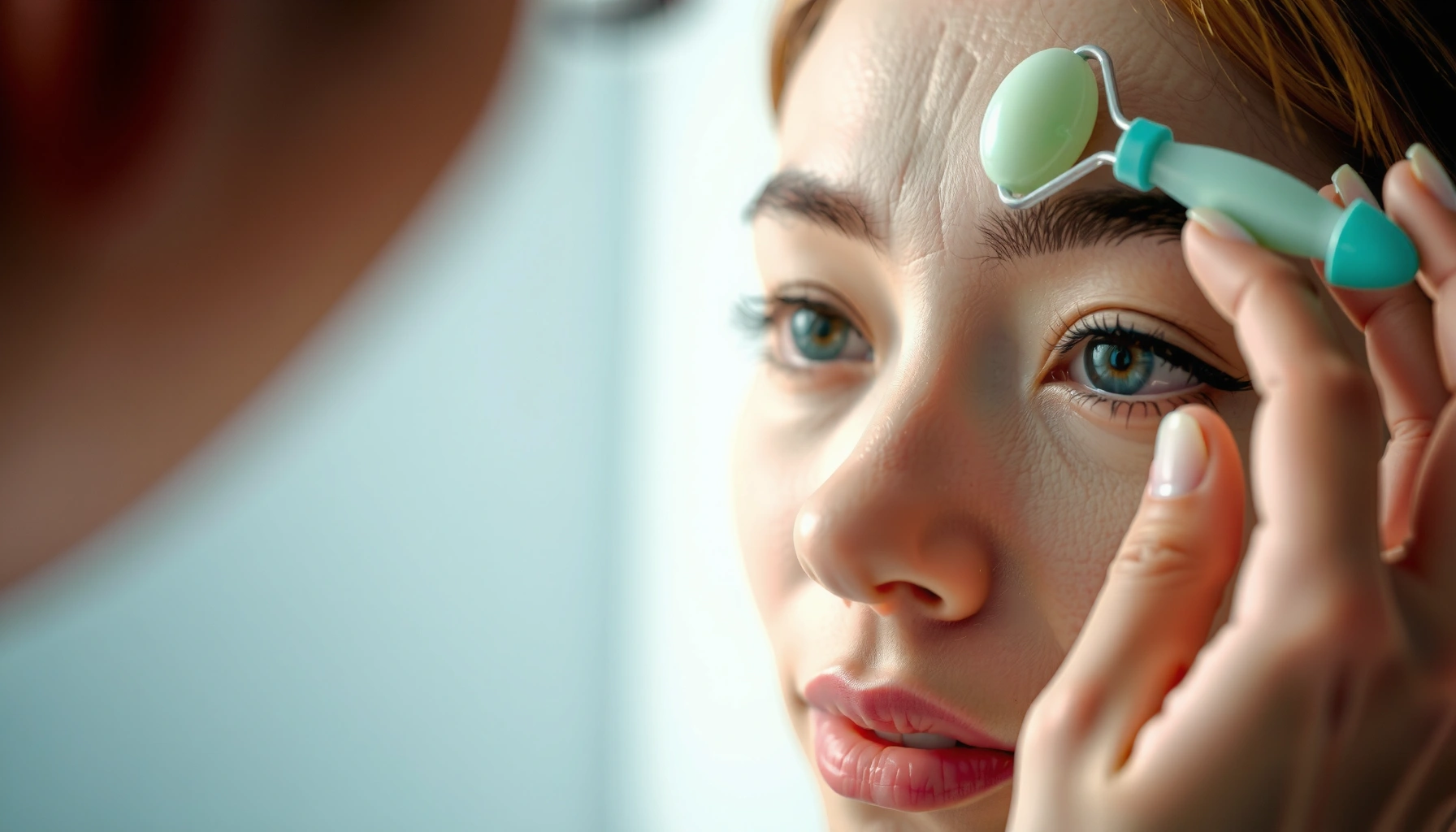
1. Cold compress, 5–10 minutes: Use a clean cold washcloth, wrapped ice pack (never direct ice), or a chilled gel mask. Keep it gentle—light pressure is enough.
2. Gentle cleanse if needed: If you slept in makeup or eye cream, rinse with lukewarm water and a minimal, fragrance-free cleanser.
3. Targeted hydration: Apply a thin layer of eye moisturizer/gel. Choose formulas that absorb quickly so they don’t feel heavy.
In puffy-eye skincare, timing matters. In my hands-on experience, the cold stage works best when it’s first, because it gives you quick calming before you add any active ingredients. Afterward, you want barrier-friendly hydration—especially if cold compresses make your skin feel tighter.
Q: How long should I keep a cold compress on puffy eyes?
Try 5–10 minutes; longer isn’t usually better because the goal is calming, not over-chilling delicate eyelid skin.
Q: Is it safe to apply skincare immediately after icing?
Yes, as long as the product is gentle and non-stinging; cold can improve comfort, but avoid harsh actives right after chilling.
Comparison you can use in real life (what I reach for based on symptoms):
| Scenario | Best quick step | Why it helps |
|—|—|—|
| Morning puffiness (mostly fluid) | Chilled gel mask + light hydrating eye gel | Cold reduces visible swelling; hydration supports comfort |
| Itchy/allergy puffiness | Cold compress + barrier-soothing eye moisturizer | Cold reduces discomfort; avoid irritating new actives |
| Product-related irritation | Stop the trigger + bland hydration (no new actives) | Barrier repair matters more than “strong” actives |
| Dry, crepey under-eyes (looks puffy) | Hyaluronic acid/gel moisturizer | Dehydration can mimic swelling; hydration improves texture |
“Cold compresses are a practical, low-irritation option to temporarily reduce visible under-eye puffiness.”
“Applying gentle hydration after cooling helps maintain comfort and reduces the risk of stinging on irritated eyelids.”
Best Ingredients for Puffy Eyes
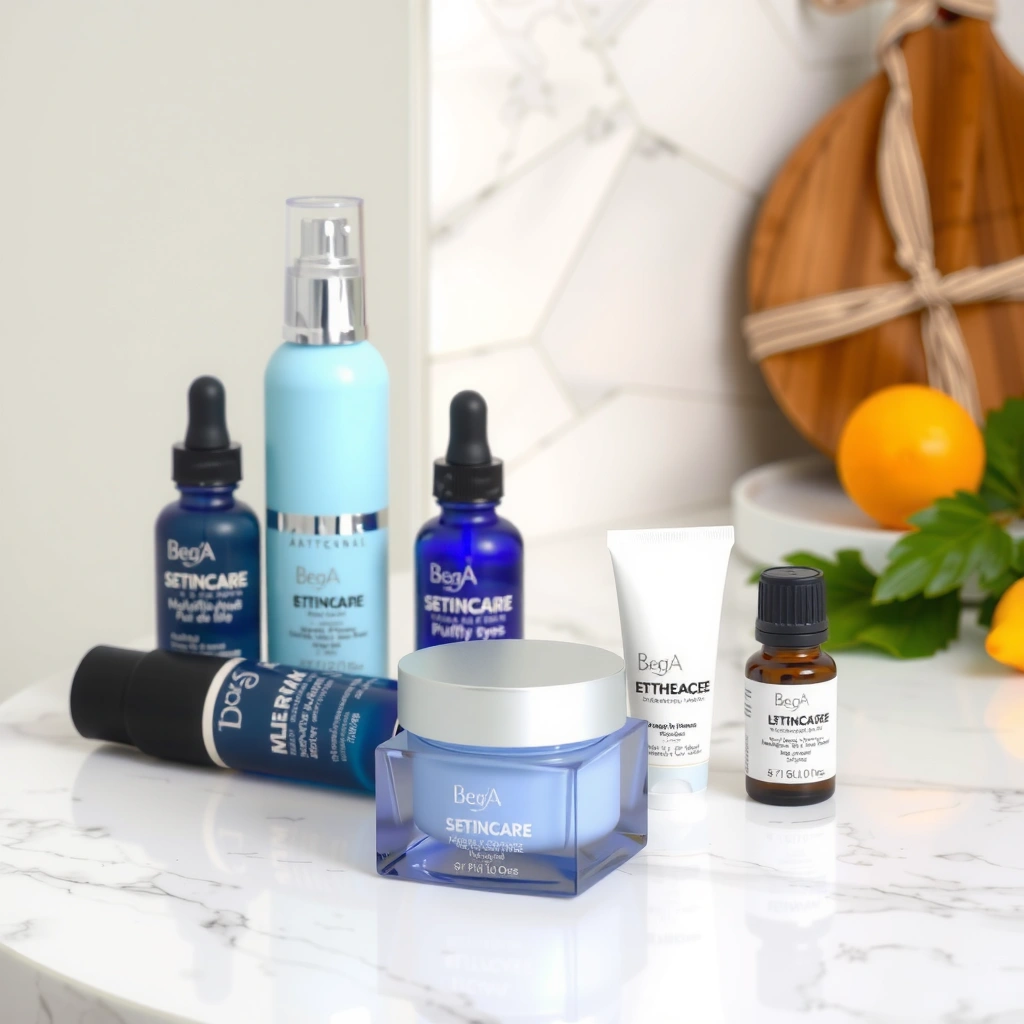
The most dependable puffy-eye skincare ingredients for fast appearance change are caffeine (for short-term reduction in puffiness) and hyaluronic acid (for hydration that improves under-eye “plump” visibility). Then, to prevent rebound, look for barrier supporters like vitamin E and ceramides.
Caffeine (the “quick look” ingredient)
Caffeine is widely used in eye-area products because it can help reduce the look of puffiness by influencing blood vessels and local fluid appearance. In puffy-eye skincare testing, caffeine gels tend to feel more effective for visual swelling when used after cold—less so if the root cause is irritation or allergies.
Hyaluronic acid (the “support” ingredient)
Hyaluronic acid is a humectant—meaning it attracts water—to improve hydration and reduce the crepey texture that often makes puffiness look worse. I prefer lightweight, non-greasy gel forms for periocular skin because they layer smoothly under concealer.
Vitamin E + ceramides (the barrier insurance)
Vitamin E and ceramides help strengthen the moisture barrier. When the barrier is stable, eyelid skin is less reactive to dryness, friction, and environmental stressors—key for keeping puffy-eye skincare results consistent.
Caffeine + sleep reality check: According to the National Institutes of Health (NIH), adults generally need 7–9 hours of sleep for optimal health (NIH, accessed 2024). When sleep drops, the under-eye area often looks more reactive the next morning—so ingredients work best when your recovery baseline is reasonable.
Pros/cons snapshot for ingredient selection:
| Ingredient | What it does best | Common downside if you overuse |
|—|—|—|
| Caffeine | Temporary reduction in puffiness appearance | Can feel “cooling/tingly” for some sensitive users |
| Hyaluronic acid | Immediate hydration, smoother texture | If your skin is very dry, you may need a gentle barrier layer too |
| Ceramides | Barrier support | Usually minimal downside, but still check for fragrance/irritants |
| Vitamin E | Moisture retention, comfort | Can be heavier in some formulas—choose lightweight if you’re prone to milia |
“Hyaluronic acid is a humectant that helps attract and retain water, improving under-eye hydration and appearance.”
“Ceramides support the skin barrier, which is crucial for preventing irritation-related swelling.”
“Caffeine-containing eye products are commonly formulated to temporarily reduce the look of puffiness.”
Morning vs. Night Eye Care Routine
Puffy-eye skincare works best when morning and night routines match your eyelid’s likely needs. Morning focuses on quick calming and lightweight hydration, while night emphasizes soothing recovery without overloading the eye area.
Morning routine (fast, light, non-stinging)
A practical morning sequence:
1. Gentle cleanse (lukewarm water; avoid harsh scrubs).
2. Puffy-eye targeted product: caffeine gel/serum if you tolerate it.
3. Light moisturizer around the orbital bone (not too close to lash line).
4. Optional: SPF if you’re outdoors—UV exposure can worsen discoloration and sensitivity around the eyes over time.
In my experience, morning results look best when you apply eye products within 5–15 minutes after your cold step (if you’re doing one). That reduces the “tightness” feeling and improves how smooth makeup sits.
Night routine (soothing hydration + barrier repair)
Night is where puffy-eye skincare becomes preventive:
– Use a soothing moisturizer with ceramides or gentle emollients.
– If you’re prone to morning swelling, avoid very heavy occlusive layers that may feel “stagnant” under the eyes for you.
– Remove makeup gently—rubbing is a common hidden cause of recurring puffiness.
Q: Should I use my strongest anti-aging eye product at night if I’m puffy?
If it includes potentially irritating actives, use it cautiously; puffy-eye skincare during swelling should prioritize soothing hydration over high-intensity formulas.
Q: What if my under-eyes feel better at night but puffier in the morning?
That pattern often points to friction, heavy layering, or sleep-position fluid pooling—try lighter textures at night and reduce salt late in the day.
Habits That Make Eye Puffiness Worse
The fastest way to stop puffiness from returning is to remove the habits that repeatedly trigger fluid retention or irritation. In practice, that means reducing late salt, stopping eye rubbing, and being careful about new products—especially in the weeks before a recurring issue resolves.
Here are the most common offenders I see (and that I’ve personally corrected in my own routine):
– High salt late in the day: Sodium can increase fluid retention overnight. If your puffiness is usually morning-only, adjust your evening meals first.
– Inconsistent sleep: Poor sleep doesn’t just affect energy—it can make skin look more reactive.
– Eye rubbing or aggressive makeup removal: Even “gentle” rubbing adds friction to a sensitive area.
– New skincare too close to the eye: Fragrance, strong acids, or irritating preservatives can cause swelling that looks like “puffiness.”
– Sleeping face-down or with excessive pillow elevation: Changes fluid distribution and can intensify morning puffiness.
Sleep numbers matter: According to the American Academy of Sleep Medicine, adults commonly benefit from 7+ hours nightly for optimal daytime functioning (AASM, 2015). When people consistently fall below this, the under-eye area often shows the consequence first.
“Reducing late-day sodium can help minimize overnight fluid retention that contributes to morning under-eye puffiness.”
“Avoiding eye rubbing is one of the highest-leverage behavior changes for recurring periocular swelling.”
📋 Quick Reality Check Table: What Works Fastest for Puffy Eyes?
Fastest At-Home Options for Visible Under-Eye Puffiness (Typical Time-to-Improvement)
| # | At-Home Strategy (Puffy-Eye Skincare) | Typical Visible Change | Best For | Overall Effectiveness |
|---|---|---|---|---|
| 1 | Cold compress (5–10 min) | 5–15 min | Morning fluid pooling | ★★★★★ |
| 2 | Chilled gel mask | 10–20 min | Occasional puffiness | ★★★★☆ |
| 3 | Topical caffeine eye gel | 15–45 min | Temporary under-eye swelling | ★★★★☆ |
| 4 | Light hyaluronic acid gel (non-sting) | 10–30 min | Dehydration-related “puff” look | ★★★☆☆ |
| 5 | Barrier-support moisturizer (ceramides) | 1–3 days | Irritation-prone puffiness | ★★★☆☆ |
| 6 | Reduce late-day salt + water balance | Next morning–3 days | Recurring fluid retention | ★★★★☆ |
| 7 | Skip “new” actives during flare-ups | 2–7 days | Product/irritation-related swelling | ★★☆☆☆ |
When to See a Professional
Puffy-eye skincare is helpful for routine swelling, but some situations require medical evaluation. Seek professional advice if swelling is sudden, painful, one-sided, or paired with redness or vision changes—because those signs can indicate an allergic reaction, infection, or an eye/skin condition beyond typical puffiness.
Here’s how I think about “at-home vs. professional” decision-making: if the swelling behaves like a normal fluid shift (usually morning, mild, bilateral), puffy-eye skincare often works quickly. If it’s asymmetric (one eye), rapidly worsening, or accompanied by discomfort or vision symptoms, it’s not just a skincare issue.
Q: When should I stop experimenting with eye creams?
If swelling is painful, one-sided, rapidly worsening, or associated with vision changes, stop and seek clinical guidance rather than trying more products.
Q: If puffiness persists for weeks, what’s the next step?
Persistent puffiness may indicate allergies, chronic irritation, or an underlying condition—an eye professional or dermatologist can help identify the cause and safe treatments.
Professional evaluation is especially important for:
– Sudden swelling with pain
– One-sided swelling
– Redness, discharge, or warmth
– Vision changes, significant light sensitivity, or trouble moving the eye
– Symptoms that don’t improve after stopping potential irritants and using consistent puffy-eye skincare
“Sudden, painful, or one-sided eyelid swelling warrants prompt medical evaluation rather than topical trial-and-error.”
“Persistent periocular puffiness may require allergy management or assessment for conditions beyond cosmetic swelling.”
Conclusion
Puffy-eye skincare works best when you combine fast calming steps—especially cold compresses—with targeted hydration from gentle, eye-safe formulas. Identify whether your swelling is mostly fluid pooling, irritation, or allergy-related, then use caffeine and hyaluronic acid strategically in a morning routine and barrier-supporting hydration at night. If puffiness is sudden, one-sided, painful, or includes redness or vision changes, consult a dermatologist or eye professional rather than relying on skincare alone.
Frequently Asked Questions
What are the most common causes of puffy eyes?
Puffy eyes are often caused by fluid retention, allergies, lack of sleep, salty foods, rubbing your eyes, and changes in hormones. As we age, the skin around the eyes and eyelids can thin and hold onto fluid more easily, which increases under-eye puffiness. Identifying whether your puffiness is linked to itching, redness, or seasonal allergies can help you choose the right skincare approach for puffy eyes.
How can I reduce under-eye puffiness quickly at home?
In the morning, try cold compresses (cool spoon, chilled gel eye mask, or a clean washcloth) for 5–10 minutes to help constrict blood vessels and reduce swelling. Sleep more upright or with an extra pillow to minimize fluid pooling, and gently pat—not rub—your skincare to avoid irritation. If you use eye creams, apply a hydrating gel or lightweight serum to the orbital bone area rather than the lash line to support skincare for puffy eyes without clogging.
Why do my eyes look puffy even if I’m not tired?
Allergies, sinus congestion, and eye irritation can cause under-eye puffiness even when you feel well-rested. Wearing contact lenses, using harsh skincare, or experiencing eczema and dry skin around the eyes may also trigger inflammation. If puffiness persists daily, consider allergy-friendly skincare for puffy eyes and speak with a clinician to rule out medical causes like blepharitis.
What are the best ingredients in skincare for puffy eyes?
Look for de-puffing ingredients like caffeine, which can temporarily improve circulation and reduce fluid retention, and peptides that support the look of skin firmness. Hyaluronic acid and glycerin help hydrate the under-eye area, which can lessen the appearance of swelling tied to dryness. For sensitive eyes, choose fragrance-free formulas and consider ingredients like niacinamide to support the skin barrier while using skincare for puffy eyes.
Which eye products should I use for morning puffiness vs. nighttime care?
For morning, use a lightweight eye gel or roller with caffeine or cooling agents, then follow with sunscreen if you go outdoors—this helps protect delicate skin and prevents inflammation. At night, focus on barrier-supporting hydration using a gentle eye cream with hyaluronic acid, ceramides, or mild peptides to support overall under-eye texture. Consistency matters: a simple routine that avoids irritation is often the best way to manage puffy eyes over time.
📅 Last Updated: July 04, 2026 | Topic: Skincare for Puffy Eyes | Content verified for accuracy and freshness.
References
- Periorbital puffiness
https://en.wikipedia.org/wiki/Periorbital_edema - https://www.mayoclinic.org/diseases-conditions/swollen-eyelid/symptoms-causes/syc-20377068
https://www.mayoclinic.org/diseases-conditions/swollen-eyelid/symptoms-causes/syc-20377068 - https://medlineplus.gov/ency/article/003014.htm
https://medlineplus.gov/ency/article/003014.htm - Diseases & Conditions – American Academy of Ophthalmology
https://www.aao.org/eye-health/diseases/swollen-eyelid - https://pubmed.ncbi.nlm.nih.gov/?term=periorbital+edema+management
https://pubmed.ncbi.nlm.nih.gov/?term=periorbital+edema+management - Google Scholar Google Scholar
https://scholar.google.com/scholar?q=puffy+eyes+periorbital+edema+treatment - Google Scholar Google Scholar
https://scholar.google.com/scholar?q=eyelid+edema+causes+and+management - Google Scholar Google Scholar
https://scholar.google.com/scholar?q=under-eye+bags+cosmetic+treatments+review - Google Scholar Google Scholar
https://scholar.google.com/scholar?q=Skincare+for+Puffy+Eyes - Skincare for Puffy Eyes – Search results
https://en.wikipedia.org/wiki/Special:Search?search=Skincare+for+Puffy+Eyes