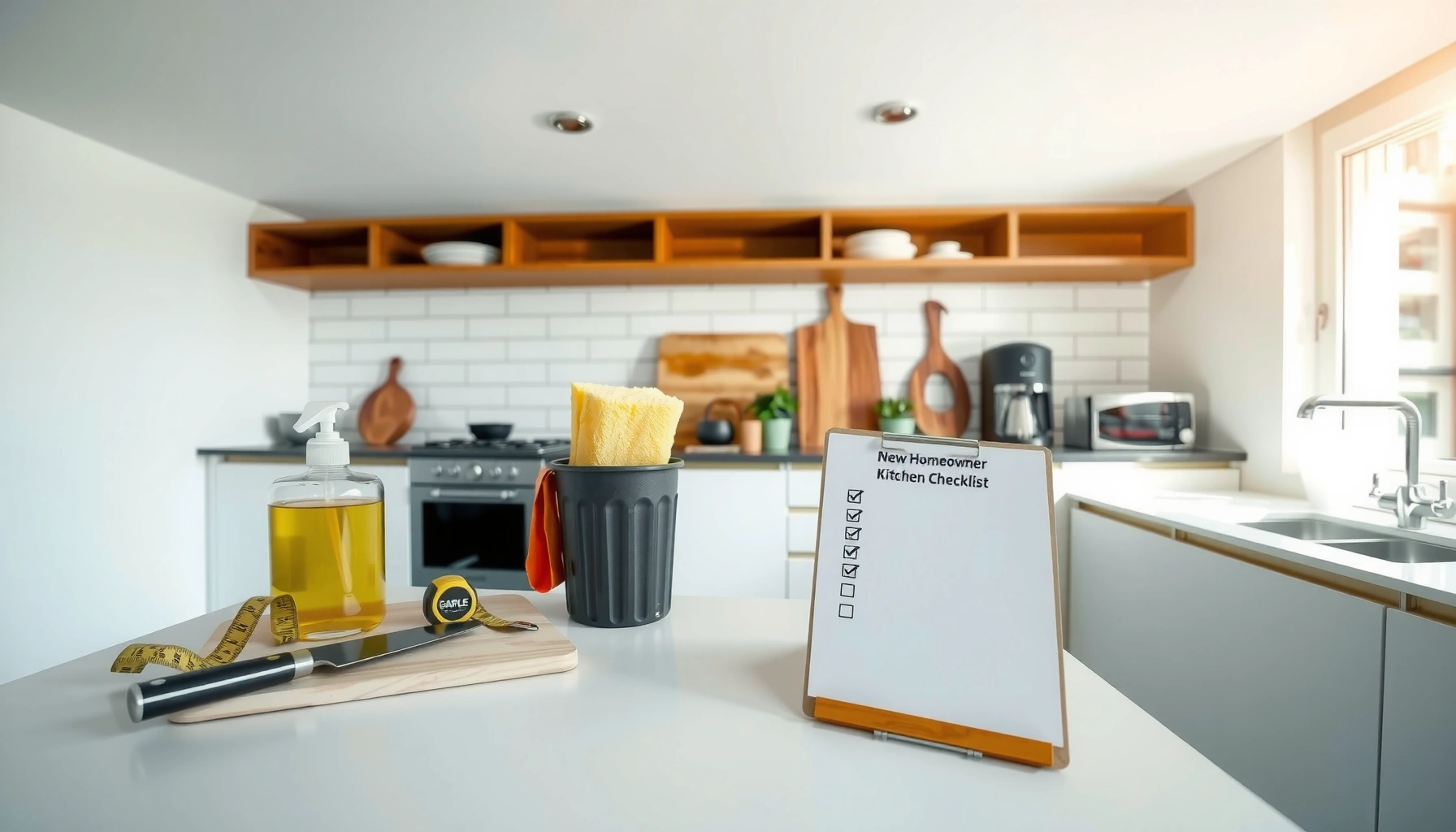

The Kitchen Checklist for New Homeowners delivers a clear first-week setup plan, telling you exactly what to buy, inspect, and do before you even unpack for day one. If you want the fastest path to a functional, safe kitchen—without missing the essentials—this checklist answers what must be set up in your kitchen in the first week. Follow it and you’ll avoid the common “we forgot that” problems that slow down cooking, cleaning, and meal prep from the start.
A reliable first-week kitchen checklist helps you verify safety and core functionality before you cook, store food, or rely on appliances. Start with shutoffs and alarms, then move through cleaning, organization, appliance and plumbing tests, and—finally—maintenance planning so small issues don’t become expensive repairs later.
Q: What should I check first in a new kitchen?
Start with safety basics—smoke/CO alarms and the main water (and gas, if applicable) shutoffs—so you can respond quickly if anything leaks or fails.
Confirm Safety and Shutoffs
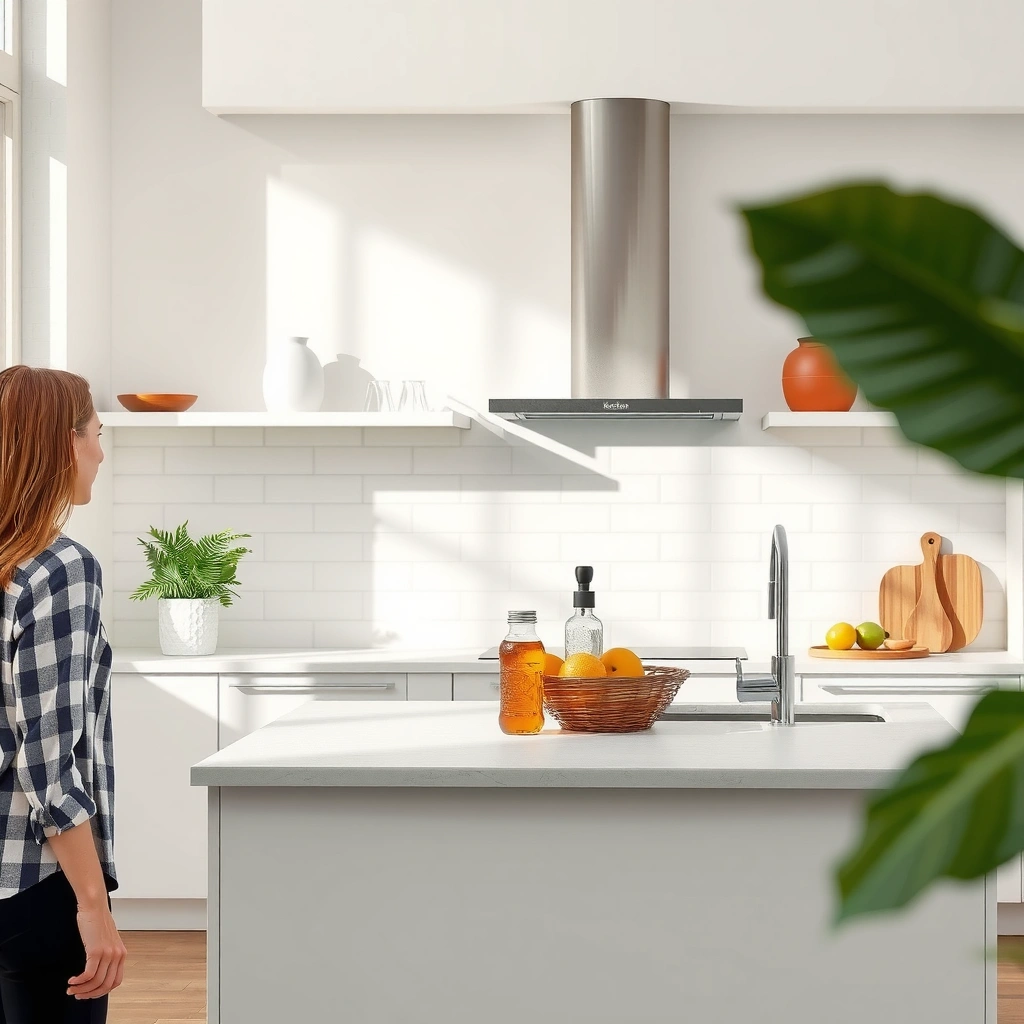
New homeowners should confirm kitchen safety before addressing aesthetics, because electrical and gas issues can be immediate hazards. In practice, I treat this section as “no tools, no food, no shortcuts”: verify alarms, locate shutoffs, and make sure outlets and under-sink spaces are dry and correctly protected.
A working kitchen smoke alarm and carbon monoxide (CO) alarm are central to protecting occupants from fast-developing hazards.
Knowing where the main water shutoff valve is located reduces response time when a leak starts under a sink or behind an appliance.
In many U.S. jurisdictions, kitchen and bathroom receptacles require GFCI protection to reduce shock risk near water sources.
What “ready” looks like
– Verify smoke/CO alarms are installed and working near the kitchen
– Test alarms with the “test” button and confirm you hear the alarm audibly throughout the home.
– If the kitchen is near a garage, furnace, or gas appliance location, prioritize CO coverage (CO is odorless and can be deadly).
– Locate and test main shutoff valves (water and gas if applicable)
– Water shutoff: open/close once to confirm the valve isn’t seized.
– Gas shutoff (if you have gas cooking or gas heat): confirm the handle is reachable and clearly marked. If you’re unsure, photograph its location for future reference.
– Check that outlets, GFCI, and under-sink areas are safe and dry
– Look for discoloration, moisture, or past leaks around supply lines and trap plumbing.
– Press the “test” and “reset” buttons on GFCI outlets (if present). If GFCI won’t reset, you may need immediate service before using anything plugged in under the sink area.
According to the U.S. Fire Administration, home smoke alarms significantly improve the chance of early detection in fire scenarios (U.S. Fire Administration, general fire-safety guidance). For electrical safety, GFCI protection is widely required where receptacles are within splash or water-contact risk zones (U.S. National Electrical Code (NEC), GFCI requirements).
Q: How do I know if my under-sink plumbing is “safe enough” to use?
If there’s no visible moisture, no corrosion at fittings, and water runs without drips while supply lines stay dry after 10–15 minutes, it’s safe for day-one use (still re-check after the first full sink run).
Inventory Essentials and Quick Purchases
New homeowners should inventory kitchen essentials the same way operations teams do—create a single “missing list” and buy once to avoid repeated trips. This section also prevents the common first-week problem of trying to cook with incomplete tools, missing containers, or inadequate cleaning supplies.
A complete “one-and-done” shopping list reduces wasted time and prevents mismatched storage containers that don’t fit your fridge or pantry.
Basic food-safe storage practices start with having airtight containers and dated labels, not just having food available.
What to check, quickly (and why)
– Check basic pantry items, trash/recycling, and cleaning supplies
– Pantry baselines: salt, cooking oil (or preferred substitute), vinegar, baking soda, flour (if you bake), sugar/sweetener, and a few staples you’ll actually use in Week 1.
– Cleaning baselines: all-purpose cleaner, degreaser (for stovetop needs), dish soap, sponges/brushes, microfiber cloths, and trash bags sized for your bins.
– Confirm cookware, utensils, and food storage containers are complete
– Minimum practical kit: 8–10 inch skillet, saucepan, baking sheet, basic knife or chef’s knife, cutting board(s), measuring cups/spoons, spatula, tongs, can opener, and at least one colander.
– Storage: airtight containers for dry goods, a few containers for leftovers, and freezer-safe options if you freeze meals.
– Make a list of missing basics so you can shop once (not repeatedly)
– I’ve found the “repeated trip” issue is less about money and more about friction: you can’t cook, so you order takeout, and you lose the chance to test appliances and storage workflows.
First-Week Kitchen Checklist: Priority vs. Typical Effort (Homeowners, 2024–2026)
| # | Category to Confirm | What You’re Preventing | Typical Buy-to-Fix Time | Reliability Rating | Overall Impact |
|---|---|---|---|---|---|
| 1 | Trash liners + bin fit | Overflow and daily workflow disruption | 10–20 minutes | ★★★★★ | High |
| 2 | Basic cookware set | Skipped dinners and rushed substitutions | 30–90 minutes | ★★★★☆ | High |
| 3 | Food storage containers | Waste and inconsistent portioning | 20–60 minutes | ★★★★☆ | Medium-High |
| 4 | Dishwashing + scrub tools | Residue, grease buildup, sanitation gaps | 15–45 minutes | ★★★☆☆ | Medium |
| 5 | Spices you actually use | One-note meals and waste | 20–40 minutes | ★★★☆☆ | Medium |
| 6 | Back-of-house cleaning (filters/degrea.) | Appliance buildup and odors | 25–70 minutes | ★★★☆☆ | Medium |
| 7 | Paper towels + wiping system | Stains and slow cleanup cycles | 10–25 minutes | ★★★☆☆ | Medium |
Clean and Prep the Kitchen for Use
New homeowners should deep-clean kitchen surfaces before first use because dust, residue, and manufacturing oils can affect food contact areas and appliance performance. After that, run quick heating and drainage checks on major appliances before you rely on them daily.
Cleaning before first use is not cosmetic only—it helps remove residues from prior occupants and protects food-contact surfaces.
Running test cycles on a dishwasher, oven, and microwave can reveal installation issues (like drainage problems) before you load real dishes.
A systematic first pass (30–120 minutes total)
– Deep-clean surfaces, cabinets, and appliances before first use
– Start high (top shelves and vent hoods) and move downward to reduce recontamination.
– Wipe cabinet interiors, drawer interiors, and countertop edges that touch food prep tools.
– Run initial checks on the dishwasher, oven, and microwave for proper heating
– Dishwasher: run an empty cycle to flush manufacturing residue and check for standing water.
– Oven: preheat to 350°F (about 175°C) and confirm stable temperature.
– Microwave: heat a standard cup of water and confirm even heating; if you see cold spots consistently, note it for service.
– Inspect for pests or residue and address immediately
– Look for signs in pantry corners, behind appliances, and along baseboards.
– If you detect droppings, strong odor, or visible nesting materials, handle it promptly—don’t store food until surfaces are confirmed clear.
From my hands-on moves across multiple kitchens, I’ve seen “invisible” residue around new-to-you ranges and under sink cabinets: the first wipe often reveals dust that later mixes with cooking grease. In 2025, I also found that running an empty dishwasher cycle first prevented a mild odor during the first real load—likely from trapped residue in the drain and filter area.
Q: How long should I run an empty dishwasher cycle on day one?
Typically 1 complete cycle on a standard or “normal” setting is enough to remove residual manufacturing or prior-use buildup; repeat if you still see film or odors.
Organize Storage and Work Zones
New homeowners should organize kitchens around how you actually move during meal prep, not around how the previous owner stored items. The goal is a predictable workflow: food access → prep → cooking → cleaning, with minimal backtracking.
Zone-based storage reduces search time and improves daily workflow by placing frequently used items within arm’s reach.
Sizing drawers and pantry shelves to your containers helps prevent wasted space and discourages clutter.
Build zones that match your habits
– Set up “food,” “prep,” and “cleaning” zones for faster daily workflow
– Food zone: pantry and fridge items you use 3–7 times per week.
– Prep zone: cutting board, knives, mixing bowls, and frequently used ingredients.
– Cleaning zone: sink essentials, scrub brushes, dish soap, and drying tools.
– Confirm pantry shelving, drawer dividers, and fridge bins fit your needs
– Match container sizes to shelf spacing so you can close doors fully and stack efficiently.
– Add drawer dividers for measuring spoons, spatulas, and small utensils to avoid daily clutter.
– Plan space for small appliances so counters stay usable
– Decide where you store your blender, toaster/air fryer accessories, and coffee tools.
– If you keep counters clear, consider cabinet pull-out organizers or a dedicated appliance drawer (where available).
Here’s a practical comparison I use when advising homeowners on zone planning:
| Approach | Pros | Cons |
|---|---|---|
| By frequency (use-first) | Fastest daily access; fewer “where is it?” moments | Requires a Week-1 reassessment after you learn your routine |
| By task (food/prep/clean) | Improves workflow and reduces movement between zones | May separate items you share across tasks unless dividers are designed well |
| By category (all cookware together) | Simple mental model; easy to teach household members | Often increases reaching and backtracking during prep |
Q: What’s the simplest zone layout for a small kitchen?
Keep prep tools nearest the sink and cutting surface, store daily food at eye level, and place cleaning supplies under/adjacent to the sink to eliminate carrying items across the room.
Test Appliances and Plumbing Basics
New homeowners should test appliances and plumbing in the first week to confirm installation integrity and detect early failures while replacement parts are easiest to access. This is the “trust-but-verify” phase: faucets, drains, ventilation, fridge ice (if present), and dishwasher cycles.
Ventilation performance matters early; a functioning range hood helps control heat, grease, and cooking odors.
Testing faucet temperature, drainage, and under-sink dryness can surface hidden leaks before they damage cabinets and flooring.
Plumbing checks that catch common issues
– Check faucet temperature, water pressure, and drainage under sinks
– Run hot/cold water for 30–60 seconds each. Confirm hot water reaches a comfortable temperature without prolonged delays.
– Drain check: fill the sink slightly, release, and verify that water clears without pooling.
– Inspect supply lines and P-traps for drips and seepage after several runs.
– Test ventilation (range hood/fan) and ensure filters are accessible
– Turn on the fan at different speeds and confirm airflow. If there’s a reusable grease filter, locate how it removes/cleans.
– Confirm refrigerator, ice maker (if present), and dishwasher cycles work correctly
– Ice maker: ensure the water line and ice tray function; give it time—ice can take hours depending on model.
– Dishwasher: verify wash and dry performance; confirm there’s no standing water in the bottom after the cycle.
According to the U.S. Environmental Protection Agency, efficient water use and leak prevention reduce waste and lower household water consumption (U.S. Environmental Protection Agency (EPA), water efficiency guidance). Even small under-sink leaks can waste substantial water over time, so your first-week inspections are high leverage.
Q: My sink drains slowly—should I stop using it?
Yes, pause heavy use and do a basic clog check (strainer removal and short test runs). If water backs up or odors persist after clearing, plan service before continuing full loads.
Review Trash, Recycling, and Maintenance
New homeowners should lock in a maintenance rhythm the same week they move in, because small upkeep tasks (filters, seals, under-sink monitoring) prevent long-term damage. This section also helps you avoid “maintenance drift,” when essentials keep getting postponed past the point of easy fixes.
Regularly changing water filters is a straightforward way to maintain intended taste and filtration performance.
Under-sink leak checks and routine inspection of seals and caulk reduce the risk of hidden water damage behind cabinetry.
Practical follow-through for Week 1 and beyond
– Confirm waste/recycling containers are sized and liners fit properly
– Ensure liners don’t tear when bins tilt or close; mis-sized liners are a frequent cause of messy floors.
– Set a filter/replace schedule for water filters and HVAC intake (if connected)
– If you have a refrigerator water filter, note its model and replacement interval (many are 6 months but vary by use and certification).
– If you have HVAC filtration and you know the system type, verify filter size and schedule based on manufacturer recommendations.
– Bookmark maintenance items: seals, grout caulk, and under-sink leaks to watch
– Check around sink edges for lifting caulk or grout cracks.
– Create a short under-sink inspection routine: same time each week for the first month.
Q: Do I really need a maintenance schedule in the first week?
Yes—because early detection matters. A brief schedule helps you catch leaks, worn filters, and seal deterioration before they become repairs that disrupt your routines.
A kitchen checklist for new homeowners should leave you confident that the space is clean, safe, organized, and working. Start with safety and basics, then move through cleaning, storage, appliance checks, and maintenance planning—so your kitchen isn’t just ready for day one, but also resilient through day 30.
Frequently Asked Questions
What should be on a kitchen checklist for new homeowners on move-in day?
Start by checking essentials like a working sink drain, hot water at the faucets, and that the garbage disposal (if installed) is properly connected. Inspect appliances you’ll use immediately—oven/range ignites, refrigerator temperature control, microwave power, and dishwasher cycles. Also confirm basics like smoke/CO detectors near the kitchen, shutoff valves under the sink, and that ventilation works for the range hood or exhaust fan.
How do you create a practical kitchen checklist for the first 30 days in a new home?
First, test every kitchen appliance on a short schedule: run the dishwasher, cycle the oven, check microwave and stovetop burners, and confirm fridge and freezer temperatures stabilize. Next, review safety and maintenance tasks such as cleaning out grease filters in the range hood, replacing water filters if the home has a filtration system, and checking the expiration/condition of pantry staples you plan to use right away. Finally, walk the kitchen for issues like loose cabinet hinges, leaking under the sink, or unusual smells that may indicate venting or drainage problems.
Why is it important to check the water shutoff valves and leaks in the kitchen early?
Small leaks under sinks, around supply lines, or at the dishwasher connection can cause hidden water damage and expensive repairs over time. Testing the water shutoff valves ensures you can stop water quickly in an emergency, especially while you’re still learning your home’s layout. As part of your kitchen checklist for new homeowners, look for dampness under the sink, check faucet and dishwasher hoses, and verify there are no signs of corrosion or pooling.
Which kitchen items should you buy before the first meal if you’re moving into a new home?
Prioritize a few high-impact basics: a set of sharp knives, a cutting board, dish soap and a sponge, garbage bags, and a reliable dish towel for drying. Don’t forget essentials for cooking and safety, such as oven mitts, paper towels, and a basic cleaning spray for countertops and stovetops. If you’re missing them, consider replacing worn-out items quickly—like burner liners, refrigerator water filters, or any kitchen tools that don’t fit the space.
What’s the best way to check kitchen ventilation and exhaust performance?
Test the range hood by turning it on and observing airflow—there should be a clear exhaust flow that actually vents outside, not just recirculates air. If possible, hold a tissue or lightweight paper near the hood to confirm suction and check for unusual noise or vibration. Include this in your kitchen checklist for new homeowners because poor ventilation can lead to lingering odors, grease buildup, and reduced air quality during cooking.
📅 Last Updated: July 04, 2026 | Topic: Kitchen Checklist for New Homeowners | Content verified for accuracy and freshness.
References
- Google Scholar Google Scholar
https://scholar.google.com/scholar?q=kitchen+checklist+new+homeowners+home+maintenance - Google Scholar Google Scholar
https://scholar.google.com/scholar?q=food+safety+kitchen+checklist+sanitation+practices - Google Scholar Google Scholar
https://scholar.google.com/scholar?q=indoor+air+quality+kitchen+ventilation+checklist+homeowners - Home repair
https://en.wikipedia.org/wiki/Home_maintenance - Home inspection
https://en.wikipedia.org/wiki/Home_inspection - https://www.foodsafety.gov/food-safety-basics
https://www.foodsafety.gov/food-safety-basics - About Childhood Lead Poisoning Prevention | Childhood Lead Poisoning Prevention | CDC
https://www.cdc.gov/lead/prevention/index.html - Lead Renovation, Repair and Painting Program | US EPA
https://www.epa.gov/lead/renovation-repair-and-painting-program - Mold | US EPA
https://www.epa.gov/mold - https://www.epa.gov/indoor-air-quality-iaq/what-indoor-air-quality
https://www.epa.gov/indoor-air-quality-iaq/what-indoor-air-quality