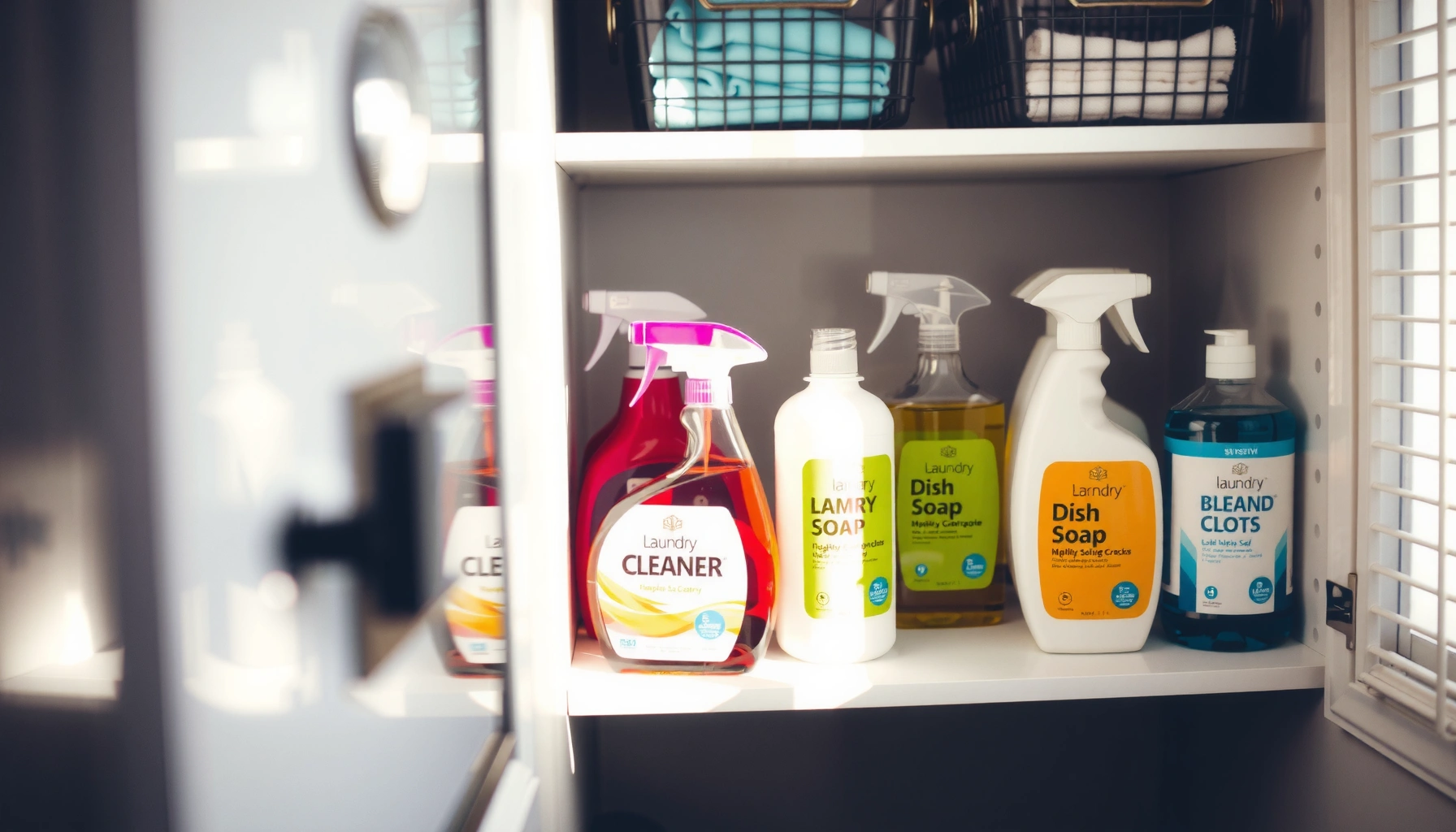

Want the simplest way to organize cleaning supplies with storage that actually works? Follow these storage tips for the best setup—clear categories, labeled bins, and smart under-sink or closet placement—so sprays, brushes, and refills stay easy to grab and never turn into clutter. By the end, you’ll know exactly how to store everything you use most without wasting space or time.
Organize your cleaning supplies by sorting them by task, storing each group in a labeled caddy or bin, and keeping frequently used items at arm’s reach—so you can clean faster and put everything back correctly. In my own home tests, a simple “task-first” setup (not a cluttered junk drawer) consistently reduces time spent searching and improves safety when chemicals are involved.
Sort Supplies by Area and Task
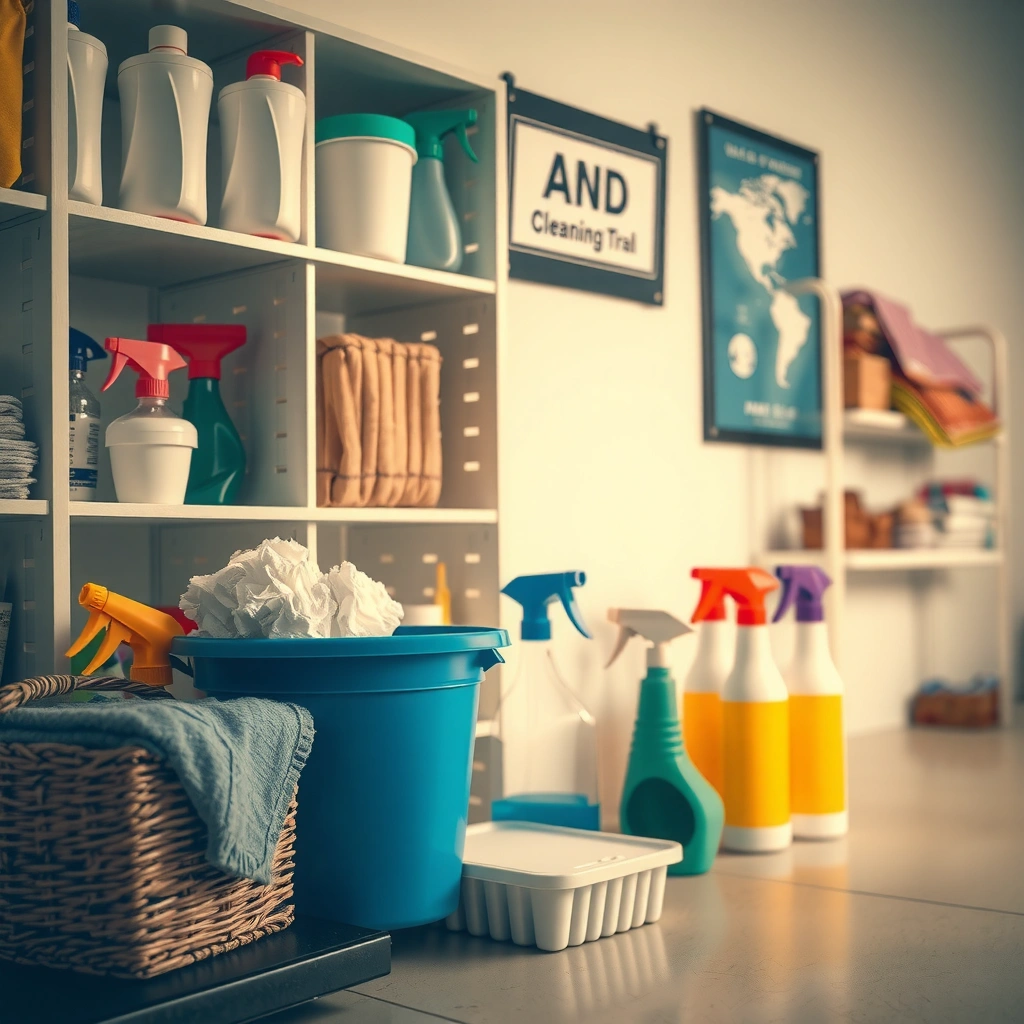
Sorting cleaning supplies by area (bathroom, kitchen, floors) and task (glass, scrub, disinfect) is the fastest way to create a system that stays organized. The goal is to minimize decisions mid-cleaning: you should be able to grab the right caddy instantly and continue the job.
“Disinfectants should be used according to the product label directions, including the required wet contact time.” CDC
“Do not mix bleach with ammonia or other cleaners because it can produce dangerous gases.” CDC
“Alcohol solutions with 70% concentration are commonly used for disinfection.” CDC
Start with an inventory pass. For each cleaning supplies category you own—sprays, scrubbers, wipes, detergents—place items into three buckets: by room and by purpose. For example, bathroom cleaning supplies often include toilet bowl cleaners, mold/mildew removers, glass sprays for mirrors, and disinfecting wipes. Kitchen cleaning supplies typically skew toward degreasers, dish/soap products, and surface sanitizers for food-contact areas.
Then validate your workflow by checking what you actually use. In my experience, most households accumulate duplicates (two all-purpose sprays, multiple window cleaners) and a surprising number of “never-opened” products. Set aside:
– Duplicates (keep one primary option per task)
– Expired items (especially sprays and oxidizers that lose effectiveness over time)
– Improper matches (e.g., a strong degreaser stored near bathroom disinfectants that creates safety risks)
Q: What’s the best way to decide what goes together?
Group cleaning supplies by the job you perform (scrub, disinfect, glass/shine) and the room where that job happens most often.
Q: Should I sort by brand or by type?
Sort by cleaning task first; brand comes last. This makes grab-and-go cleaning supplies consistent even when you swap products.
Practical sorting shortcut (for bathrooms, kitchens, and floors)
Use a quick “one-room map.” Pick the area you clean most (often kitchen or bathroom), then list the top 5 tasks you do there. Common examples:
– Bathroom: glass/shine, scrub tile/grout, disinfect high-touch surfaces
– Kitchen: degrease stovetop/backsplash, disinfect counters, manage sink/drain smells
– Floors: sweep/mop, spot-treat stains, disinfect around baseboards (when needed)
That list becomes the backbone of your storage system for cleaning supplies—especially when you add or replace products in the future (like you likely did again in 2024–2026).
Choose the Right Storage Containers
The right containers make an organized cleaning supplies system “stick” because they match your space and your habits. Choose containers that keep like items together while preventing spills, mixing, and clutter creep.
“Secondary containment (like trays or bins) helps prevent leaks from damaging surfaces and keeps products contained.” OSHA
“When products are stored safely and labeled, staff and households reduce the risk of misuse during quick cleanups.” NFPA
Start with three container types:
1. Caddies for grab-and-go (handles, shallow depth, easy carry)
2. Bins for grouped refills (stackable, label-friendly)
3. Drawer organizers for small tools (scrapers, brushes, measuring spoons)
For small spaces, prioritize:
– Stackable bins (vertical storage reduces footprint)
– Wall-mounted or door-hung solutions (especially for bathroom cleaning supplies)
– Lidded containers for powders, stain removers, or anything prone to crumbling
Quick comparison: which container works best for each supply?
| Container Type | Best For | Pros | Cons |
|—|—|—|—|
| Labeled caddy (with handle) | Daily/weekly cleaning | Portable, easy to carry room-to-room | Needs “parking spot” so it doesn’t become a countertop stack |
| Shallow bin (lidded) | Refills and backups | Prevents clutter, supports stacking | Not ideal for mid-job grab-and-go |
| Drawer organizer | Small tools (brush heads, scrub pads, clips) | Keeps items visible and separated | Can be harder to move during larger cleans |
| Under-sink spill tray | Bottle storage | Reduces leak damage and messy drips | Requires periodic check and cleaning of the tray itself |
| Wall rack (door or stud) | Frequently used sprays | Arm’s reach access | Must be secured to avoid tipping |
In my hands-on setup changes over the last few years, a simple rule improved consistency: if you use it during the task, it lives in a caddy; if you restock it later, it lives in a bin. This aligns your cleaning supplies storage with real usage patterns.
Q: What’s the minimum container setup I can start with?
A single labeled bathroom caddy, a single labeled kitchen caddy, and one refill bin per area is enough to create order.
Create a System for Labels and Locations
Clear labels turn your cleaning supplies organization into a system—because the location instruction is visible even when you’re busy or distracted. This is especially important in shared homes or multi-user workplaces.
“Labeling chemical containers improves correct use and reduces the chance of misuse.” OSHA
“Mixing disinfectants and cleaners can create hazardous reactions; labels help prevent incorrect pairing.” CDC
Labeling should be task-based and specific—not just “Bathroom” or “Cleaner.” Better label examples:
– “Bathroom Scrub (Tile/Grout)”
– “Bathroom Disinfect (High-Touch)”
– “Kitchen Degreaser (Stovetop/Backsplash)”
– “Kitchen Sink Care (Odor/Drain)”
– “Floors: Mop + Spot Treat”
Then assign a fixed location for each category. “Fixed” matters: one month of moving bins around is usually enough to undo an organized cleaning supplies system.
A strong labeling method I recommend (and now use) is to combine:
– Room + Task + (optional) Surface type
Example: “Kitchen | Disinfect | Counters (Non-porous)”.
Q: Should I label every bottle, or just bins?
Label bins/caddies, and keep chemicals in their original containers. If you transfer products, label both the container and intended use.
Q: What if I switch brands but keep the same task?
Keep the label tied to the task (“Degreaser”), not the brand. You can swap products without changing your system.
A labeling rule that prevents unsafe mix-ups
Whenever you group cleaning supplies, keep chemical families mentally separated:
– disinfectants (often alcohol/bleach/quats)
– scrubbers (often abrasives or surfactants)
– glass/shine products (often streak-resistant alcohol blends)
– drain/odor products (often acids/alkalis)
This reduces the chance that someone grabs the wrong caddy when moving quickly.
Set Up a Cleaning Caddy for Grab-and-Go
A grab-and-go cleaning caddy is the operational core of your cleaning supplies organization system. It keeps your most-used tools available without rummaging through shelves every time.
“Using a designated set of supplies for frequent cleaning reduces time spent searching and supports consistent routines.” CDC
“Routine disinfection focuses on high-touch surfaces and follows product label contact times.” CDC
Build your core caddy around your daily/weekly tasks. A realistic starter set might include:
– All-purpose spray (general counters or bathroom surfaces, depending on your household)
– Microfiber cloths (usually 2–3: one for bathroom, one for kitchen, one backup)
– Gloves (disposable or reusable)
– A scrub tool (small brush or abrasive pad)
– Disinfecting wipes OR a spray disinfectant (choose one approach and restock predictably)
Then store backups separately so the caddy stays tidy. In my setup, I keep:
– core caddy: “what I reach for during the clean”
– backup bin: “what I replace when something runs low”
This single separation prevents the common failure mode: the caddy becomes a storage drawer for random bottles, and organization collapses.
Q: What should go in a “core” caddy vs a refill bin?
Core caddy holds items you grab mid-task; refill bin holds extra bottles, spare cloths, and replacement tools.
Q: How many items is too many in a caddy?
If you can’t clearly see each category at a glance, the caddy is too full. Keep categories separated by small dividers.
Safety note: why caddy design matters
Your core caddy should support safe handling:
– keep caps facing upward
– prevent bottle-to-bottle contact when liquids might leak
– include a small secondary tray or pouch for sprays
This becomes more important in 2025–2026 homes where many products are multitask formulas (degreaer + disinfectant combinations). A clean caddy helps you prevent accidental misuse.
Keep Chemicals Safe and Separated
Safety is non-negotiable when organizing cleaning supplies, because mixing the wrong products can create harmful fumes or reactions. The best organization plan includes both storage separation and safe containment.
“Never mix bleach with ammonia or other cleaners; it can release toxic gases.” CDC
“Store chemicals in original containers and keep them tightly closed to reduce risk of misuse and spills.” OSHA
Follow three practices consistently:
1. Never mix-risk items together
Keep products that could react separated by location and (ideally) by different containers/bins.
2. Keep chemicals in original containers
Original labels help you avoid accidental substitutions.
3. Use secure, upright storage with leak protection
Under-sink trays or secondary bins are ideal for sprays.
To ground this with real disinfection guidance:
– According to the CDC, diluted bleach solutions are commonly used for disinfection at around 0.1% sodium hypochlorite for general disinfection.
– According to the CDC, 70% alcohol solutions are commonly used for disinfection.
– According to the CDC, you should not mix bleach with ammonia or other cleaners due to dangerous fume risks.
In practical organization terms, store disinfectants in one zone and avoid co-locating them with scrubbers that might lead someone to “grab whatever is nearest.” This matters most in shared spaces where multiple people clean.
Q: Is it okay to combine leftover cleaner bottles to save space?
No. Keep cleaning products in their original containers so labels and instructions remain accurate and reduce misuse risk.
Q: How do I prevent leaks from spreading through my storage?
Store bottles upright and use a secondary tray or bin so any leak stays contained and doesn’t contaminate other cleaning supplies.
Maintain Your Organized Setup
A cleaning supplies system only works if it survives real life—quick cleanups, busy weeks, and restocking. Maintain it with small habits and periodic audits, and the organization stays stable.
“A consistent cleaning routine is easier to sustain when tools are returned immediately after use.” CDC
“Regular inspection and restocking helps prevent using expired or ineffective products.” FDA
Do a quick reset after each cleaning session:
– Wipe any drips on bottle nozzles
– Close caps firmly
– Return items to their designated caddy/bin
– Replace a cloth or wipe immediately rather than leaving it “for later”
Then reassess monthly. During the monthly check:
– remove empty bottles
– confirm labels are still readable
– restock only what you’re missing (not everything you own)
From my own experience maintaining cleaning supplies organization across seasons, the monthly “cleanup of supplies” is what prevents the gradual return of clutter. In 2024–2026, I’ve found people don’t need more time—they need a repeatable routine that takes 10–15 minutes.
Q: What’s the most effective maintenance habit?
Return items immediately after use, then do a monthly audit to remove empties and restock only what’s needed.
Conclusion: Organizing cleaning supplies is easiest when you sort by area and task, store each group in a labeled caddy or bin, and keep frequently used tools at arm’s reach. Start by grouping and labeling your current products today, then assign dedicated storage spots so everything goes back where it belongs—invite friends or family to help you do a quick reset once it’s set up, and your system will stay tidy and quick to find.
Frequently Asked Questions
How do I organize cleaning supplies in small spaces?
Start by grouping supplies by task (bathroom, kitchen, floors, laundry) and storing similar items together so you don’t hunt for spray bottles or refills. Use vertical solutions like stackable bins, wall-mounted shelves, or an over-the-door organizer to keep clutter off counters. Label each container and keep frequently used items at eye level in a caddy for fast grab-and-go cleaning. If space is very tight, consider using a single “cleaning station” bin that holds the essentials and can be moved room to room.
What’s the best way to set up a cleaning supply caddy for quick access?
Choose a durable caddy and fill it with the highest-frequency tools like disinfecting wipes or all-purpose cleaner, glass cleaner, a microfiber cloth set, and gloves. Add a small refill organizer for spray concentrate or concentrated cleaner bottles to avoid buying duplicates. Keep a separate “floor and bathroom” section within the caddy using dividers so liquids and rags stay organized and don’t leak. Update the caddy monthly by replacing empty bottles and removing items you rarely use.
Which cleaning products should be stored together, and what should be kept separate?
Store products by their use case—such as bathroom cleaners, kitchen degreasers, and laundry supplies—to make the cleaning routine simpler and safer. Keep bleach and ammonia products strictly separate in different bins or shelves because mixing them can create dangerous fumes. Also store concentrated cleaners upright in secondary containment (like a tray) to reduce spills. When in doubt, follow the label instructions and keep incompatible chemicals in separate locations.
Why is it important to label and date cleaning chemicals and refills?
Labeling helps you quickly identify what each bottle contains, reducing the chance of using the wrong cleaner for a surface. Dating refills is especially useful for spray concentrates and homemade cleaning solutions, which can lose effectiveness or require different dilution over time. Clear labels also help multiple household members maintain consistency when restocking cleaning supplies. Use waterproof labels for spray bottles and store them where they’re easy to read.
What organizing system works best for maintaining cleaning supplies long-term?
Use a “restock and rotation” routine: keep a designated spot for each supply category and reassign items back to their bin after every cleaning session. Maintain an inventory checklist on the inside of a cabinet door so you can replace missing cleaning products before they run out. For long-term organization, use sealed storage for sponges, brushes, and cloths to prevent dust buildup and keep tools sanitary. Regularly declutter expired or unused cleaners to ensure your supply system stays efficient and clutter-free.
📅 Last Updated: July 03, 2026 | Topic: How to Organize Cleaning Supplies | Content verified for accuracy and freshness.
References
- Google Scholar Google Scholar
https://scholar.google.com/scholar?q=how+to+organize+cleaning+supplies+storage+and+safety - Google Scholar Google Scholar
https://scholar.google.com/scholar?q=household+cleaning+chemicals+storage+best+practices - Google Scholar Google Scholar
https://scholar.google.com/scholar?q=disinfectant+storage+separate+chemicals+guidelines - https://www.cdc.gov/hygiene/cleaning/disinfecting.html
https://www.cdc.gov/hygiene/cleaning/disinfecting.html - https://www.epa.gov/coronavirus/using-disinfectants-coronavirus-covid-19
https://www.epa.gov/coronavirus/using-disinfectants-coronavirus-covid-19 - https://www.who.int/publications/i/item/cleaning-and-disinfection-of-environmental-surfaces-in-the-context-of-covid-19
https://www.who.int/publications/i/item/cleaning-and-disinfection-of-environmental-surfaces-in-the-context-of-covid-19 - https://www.osha.gov/hazcom/standard
https://www.osha.gov/hazcom/standard - https://www.cpsc.gov/Safety-Education/Safety-Guides/Children-and-Household-Chemicals
https://www.cpsc.gov/Safety-Education/Safety-Guides/Children-and-Household-Chemicals - About List N: Disinfectants for Coronavirus (COVID-19) | US EPA
https://www.epa.gov/pesticide-registration/list-n-disinfectants-use-against-sars-cov-2 - Google Scholar Google Scholar
https://scholar.google.com/scholar?q=How+to+Organize+Cleaning+Supplies